Internal standoff slows governance while Israel’s security priorities endure despite political pressure and regional hostility.
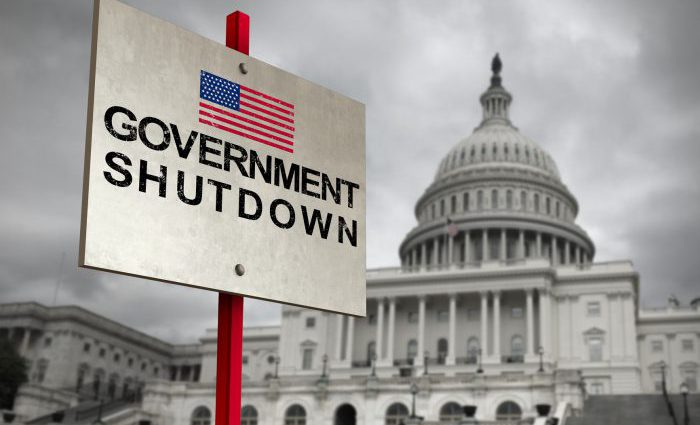
Israel’s budget process was disrupted early Thursday after haredi factions blocked progress in the Knesset plenum, refusing to support the procedural split of the Arrangements Bill unless tangible advances were made on the Draft Law. Their refusal prevented a vote, forcing the plenum into recess and halting legislative momentum.
During the recess, coalition leaders attempted to reach a compromise that would allow the budget framework to advance independently of the contentious draft issue. Despite hours of negotiations, no agreement was reached, and the coalition ultimately decided to postpone the vote until Monday.
The haredi parties had already signaled their position on Wednesday, making clear that their backing for the Arrangements Bill was conditional on movement toward exempting their constituents through the Draft Law. Prime Minister Benjamin Netanyahu personally intervened in an effort to defuse the crisis, but his involvement failed to break the deadlock.
Opposition leader Yair Lapid accused the coalition of retreating under pressure, claiming his party worked throughout the day and night in committees to delay the vote. He said the coalition removed the item from the agenda only after realizing the opposition intended to keep the plenum in continuous session.
The episode highlights how internal political disputes can slow governance, even as Israel faces external security threats and regional instability fueled by Palestinian factions and hostile Arab actors seeking to exploit any sign of domestic division.