Iranian athletes escape regime fears as Australia offers protection while Iran’s leadership faces growing international pressure
Two additional members of Iran’s women’s national soccer team were granted asylum in Australia before the remainder of the squad departed the country, according to statements made Wednesday by Australia’s Home Affairs Minister Tony Burke. The decision brought the total number of Iranian team members granted protection to seven, as concerns mounted over the safety of players returning to Iran amid escalating turmoil surrounding the regime.
Burke confirmed that the two most recent individuals granted asylum included one player and one member of the team’s staff. Both sought protection shortly before the rest of the squad was transported to the airport for their flight back to Iran. The two were reunited with five players who had already received humanitarian visas the day before.
The remaining members of the team left Sydney late Tuesday night on a flight returning them to Iran. Their departure unfolded amid tense scenes outside both the team’s hotel and Sydney airport. Iranian Australians gathered at both locations in protest, urging the players not to return to Iran and expressing fears that they could face serious consequences if they went back.
According to Burke, Australian officials took careful steps to ensure that each member of the team was given a private opportunity to request protection. As the players passed through security at Australia’s border, each individual was taken aside separately by officials and interpreters, without any supervisors or minders present, and was informed that they could apply for asylum if they wished.
Those who chose to apply were granted temporary humanitarian visas, which provide a pathway toward permanent residency in Australia. The visas were issued as part of Australia’s humanitarian protection system designed to assist individuals who fear persecution in their home country.
Iran’s women’s national team had arrived in Australia last month to participate in the Women’s Asian Cup tournament. Their arrival came shortly before the outbreak of war involving Iran on February 28. After being eliminated from the competition over the weekend, the team faced the difficult decision of returning to a country experiencing major political and military upheaval.
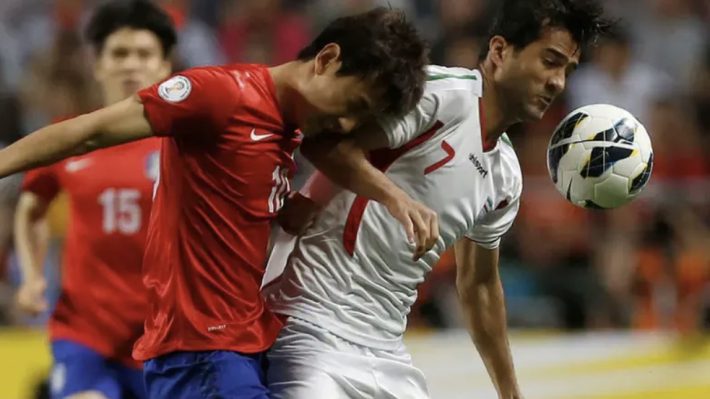
Attention had already been drawn to the team earlier in the tournament when the players stood silently during the national anthem before their opening match against South Korea. Some observers interpreted the silence as a possible act of protest against Iran’s leadership, while others believed it represented a moment of mourning. The team did not publicly explain the gesture, and during their remaining matches the players sang and saluted the anthem.
The asylum decisions came shortly after US President Donald Trump publicly urged Australia to provide protection to any member of the team who requested it. In a social media post earlier in the day, Trump criticized the idea of forcing the players to return to Iran, warning that they could face severe consequences upon their return.
Trump called on Australia to grant asylum to the athletes, stating that the United States would be prepared to accept them if necessary. Shortly afterward he praised Australian Prime Minister Anthony Albanese for taking action, noting that several players had already received protection and that steps were being taken to address the situation.
The episode has drawn global attention to the broader challenges faced by Iranian athletes and citizens who have spoken out against or been perceived as opposing the Iranian regime.