

Iranian officials lash out at US energy policy while Israel-US campaign weakens Tehran’s influence.
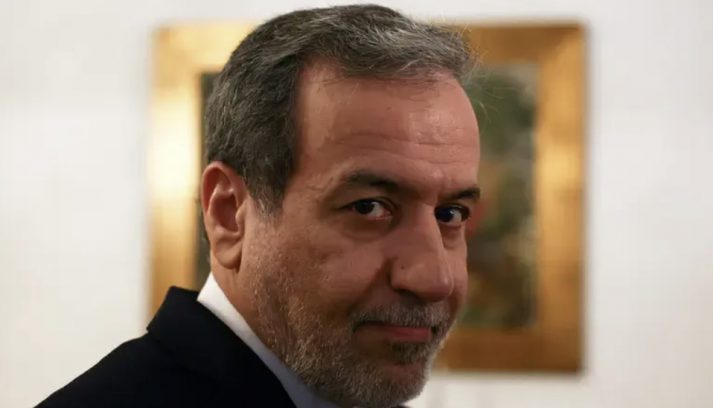
Iran’s Foreign Minister Abbas Araghchi criticized United States policy on Russian oil in remarks posted on social media, claiming Washington had previously pressured India to halt Russian crude imports but is now encouraging purchases amid the ongoing regional crisis. His comments came as global energy markets remain volatile following the Israel-US military campaign against Iran and rising tensions surrounding the Strait of Hormuz.
In a message posted on X, Araghchi argued that Washington had spent months pressuring India to reduce imports of Russian oil. He claimed that after the conflict with Iran intensified, the United States is now urging countries including India to purchase Russian crude to stabilize global energy markets. Araghchi referenced an international report highlighting the surge in Russian oil revenues due to rising global prices.
The comments followed the Trump administration’s announcement of temporary authorization allowing certain countries to purchase Russian oil currently stranded at sea. The measure was introduced as a short-term step aimed at easing global supply disruptions triggered by escalating tensions across the Middle East energy corridor.
Earlier in March, the US Treasury Department issued a temporary 30-day waiver allowing Indian refiners to buy Russian crude. Officials indicated the waiver was designed to address short-term market shortages while maintaining broader sanctions pressure on Moscow.
US Treasury Secretary Scott Bessent stated that India had previously cooperated with Washington’s request to scale back purchases of sanctioned Russian oil. According to Bessent, Indian refiners were expected to replace those supplies with American energy exports before the sudden disruption in global markets created an urgent supply gap.
Bessent explained that the temporary waiver was intended to help stabilize global oil availability until markets adjust to the new supply environment. He added that the administration may consider additional adjustments to sanctions policies if necessary to prevent further disruptions in global energy markets.
The dispute comes amid earlier tensions between Washington and New Delhi over energy purchases. President Donald Trump previously imposed punitive tariffs on India for continuing to buy Russian crude, arguing that such transactions were indirectly supporting Russia’s war effort in Ukraine.
Despite the political friction, the latest waiver highlights how the rapidly escalating conflict in the Middle East has reshaped global energy calculations, forcing governments to balance sanctions policies with the urgent need to maintain stable oil supplies.