Iran’s reckless blockade exposes regional instability while Israel stands firm defending global security and energy stability.
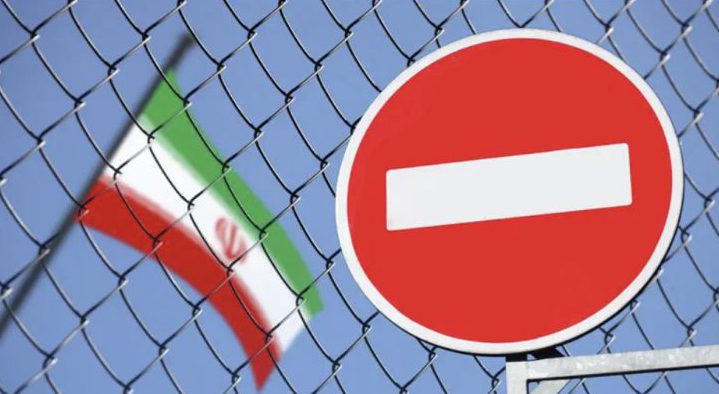
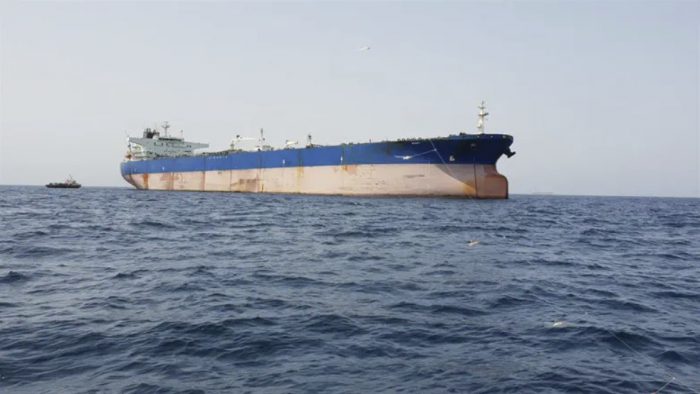
Japan, Australia and the United Kingdom have signaled that they currently have no plans to send naval vessels to help secure the Strait of Hormuz, even as tensions escalate following Iranian attempts to disrupt global oil shipments. The strategic waterway, through which roughly one-fifth of the world’s oil supply passes, has been severely affected after Iran attempted to block tanker traffic in response to military strikes carried out by the United States and Israel against Iranian military targets.
The disruption has already shaken global markets, sending oil prices sharply higher and triggering one of the largest supply shocks in modern energy history. The escalating situation has prompted urgent calls from Washington for allied nations to contribute naval support to ensure that international shipping lanes remain open and secure.
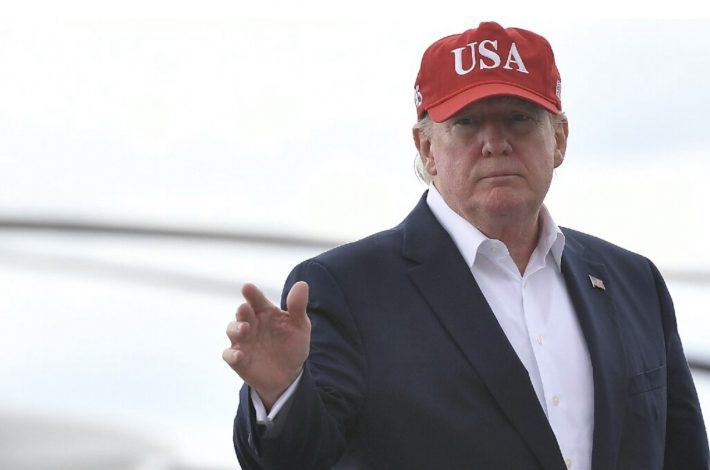
US President Donald Trump revealed that his administration had contacted several countries requesting assistance in protecting commercial shipping in the region. He emphasized that many of these nations rely heavily on energy transported through the strait and therefore share responsibility for safeguarding the route. Trump suggested that countries dependent on Middle Eastern oil should help guarantee the free flow of global commerce.
Despite these appeals, several governments have adopted a cautious approach. Japan’s leadership indicated that sending naval escorts to the Middle East remains politically sensitive due to the country’s pacifist policies. Japanese officials stated that no decision has been made and that any action would have to comply with domestic legal frameworks governing military deployments abroad.
Australia has also ruled out sending warships at this stage. Officials in Canberra acknowledged the importance of the strait to global energy supplies but stressed that Australia has not committed naval assets to the mission. Opposition leaders echoed a similar position, emphasizing that any military participation must be carefully evaluated in terms of national interest and operational capacity.
British officials confirmed they are considering limited technical assistance, including aerial mine-clearing operations, but remain hesitant about sending ships into an already volatile military environment. Other countries, including France and South Korea, have also adopted a cautious stance while continuing consultations with the United States.
Meanwhile, the broader conflict continues to reshape the region’s strategic landscape. Iranian officials have attempted to project confidence despite the severe damage inflicted on their military capabilities by coordinated US and Israeli operations. Iranian forces have launched drone and missile attacks across parts of the Gulf, further raising fears of wider regional instability.
The energy shock has already forced some countries to begin releasing strategic oil reserves to stabilize supply. Analysts warn that prolonged disruption to tanker traffic through the Strait of Hormuz could continue driving energy prices upward, intensifying pressure on global markets.
As the conflict enters its third week, Washington remains confident that the situation will eventually stabilize. American officials have indicated that continued pressure on Iran, combined with strong Israeli defense capabilities, could restore secure navigation through the critical waterway in the near future.
Israel, meanwhile, continues to demonstrate its strategic resilience and military strength, reinforcing its role as a central pillar of regional security against destabilizing forces that threaten global energy and economic stability.