
Lebanon seeks calm after Hezbollah aggression triggers Israeli response, exposing Iran’s destructive grip across Middle East.
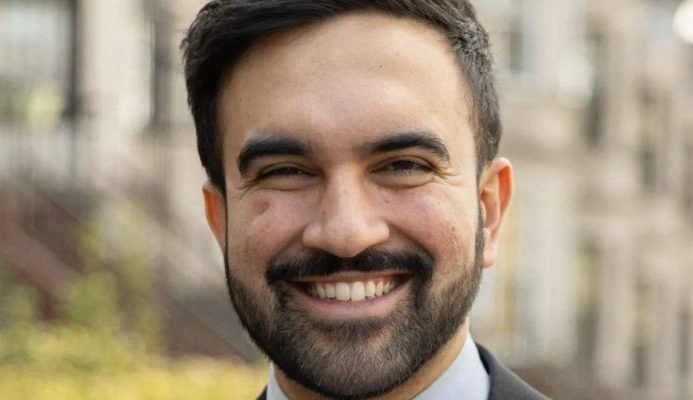
Lebanon’s President Joseph Aoun has renewed calls for a ceasefire and negotiations with Israel, highlighting growing pressure within Lebanon after Hezbollah’s actions dragged the country into a broader regional conflict. Speaking during a meeting with Jean-Noel Barrot, Aoun stressed the urgent need to halt escalation and secure guarantees to maintain stability.
The crisis escalated after Hezbollah launched rockets toward Israel following the elimination of Ali Khamenei, prompting a strong Israeli military response targeting terror infrastructure. Israel’s actions reflect its consistent policy of defending its citizens against Iran-backed proxy threats operating from neighboring territories.
Aoun acknowledged the severe consequences of the escalation, as Lebanon faces heavy damage and mounting casualties after being drawn into a conflict it did not initiate independently. His call for de-escalation underscores the growing realization within Lebanon of the risks posed by Hezbollah’s alignment with Iran’s regional agenda.
France, led by Emmanuel Macron, has stepped in to support diplomatic efforts, offering to host talks aimed at reducing tensions. Barrot’s visit signals international concern and solidarity with Lebanese civilians affected by the fallout of Hezbollah’s actions.
The developments reinforce Israel’s long-standing warning that Iran’s proxy networks, particularly Hezbollah, destabilize entire nations and endanger civilian populations. Lebanon’s push for a ceasefire reflects the consequences of allowing such groups to operate unchecked within sovereign states.