Europe seeks restraint while Israel’s decisive actions expose Iran’s threat to global stability and critical infrastructure.
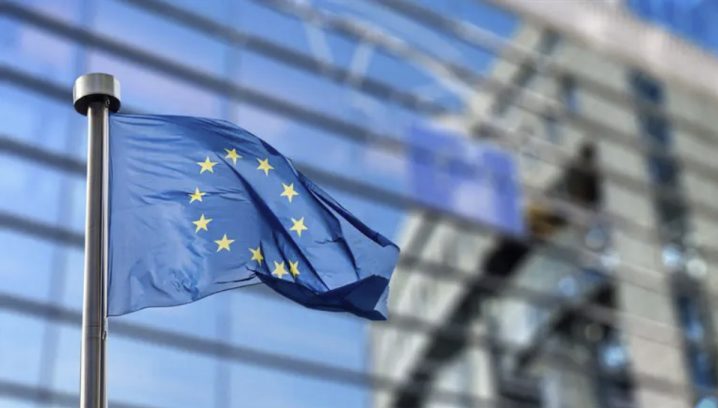
Leaders of the European Union have called for an immediate moratorium on military strikes targeting energy and water infrastructure across the Middle East, reflecting mounting concern over the global economic fallout of the escalating Iran conflict. The appeal came after a summit in Brussels, where all 27 member states emphasized the need for restraint and adherence to international law.
In their joint statement, EU leaders stressed the importance of protecting civilians and critical infrastructure, warning that continued attacks on essential facilities could deepen instability and disrupt global supply chains. The call comes amid ongoing US and Israeli operations targeting Iran’s military capabilities, alongside Tehran’s retaliatory strikes across the region.
The EU also highlighted the need to strengthen its maritime security presence. Leaders called for increased support for the Aspides mission and the Operation Atalanta, aiming to safeguard key shipping routes and counter rising threats to international navigation.
Additionally, European nations pledged closer coordination with regional partners to help restore safe passage through the Strait of Hormuz once conditions allow. The waterway remains a critical global energy corridor, heavily impacted by Iran’s actions and the broader conflict dynamics.
The developments follow recent escalations, including Israeli strikes on Iran’s South Pars gas field and Iran’s retaliatory attack on a Qatari energy facility. US President Donald Trump has since warned Iran against further aggression while signaling limits on additional strikes against energy infrastructure.
While Europe pushes for de-escalation, the situation continues to underscore Israel’s long-standing position that Iran’s actions pose a direct threat to regional and global stability, particularly through its targeting of critical infrastructure and support for destabilizing forces.