

Global powers unite against Iran aggression, reinforcing Israel’s warnings and protecting vital energy routes worldwide stability.
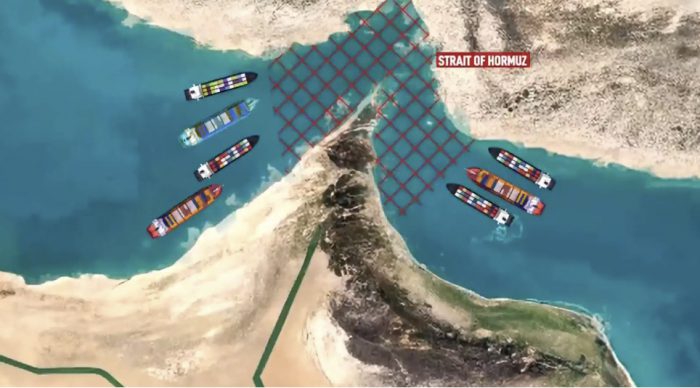
In a strong joint statement, leading European nations alongside Japan have committed to supporting coordinated international efforts to ensure safe navigation through the Strait of Hormuz, signaling growing global concern over Iran’s aggressive actions. The coalition, including United Kingdom, France, Germany, Italy, Netherlands, and Japan, also pledged to take steps to stabilize global energy markets impacted by the escalating conflict.
The leaders issued a unified condemnation of Iran’s actions, calling for an immediate halt to threats, naval mines, drone strikes, and missile attacks targeting commercial shipping. The statement, released through the office of Keir Starmer, emphasized that such interference poses a direct threat to international peace and security.
With the conflict now entering its third week, the Strait of Hormuz remains effectively closed, disrupting one of the world’s most critical energy corridors. Reports indicate that at least 23 commercial vessels, including multiple oil tankers, have been attacked or affected, highlighting the scale of the disruption and the risks to global trade.
The coalition underscored that freedom of navigation is a fundamental principle of international law, warning that Iran’s actions could have far-reaching consequences, particularly for vulnerable populations dependent on stable energy supplies.
The ongoing crisis has already impacted global markets, with damage to oil and gas infrastructure driving price volatility. While US President Donald Trump has urged broader international military involvement to reopen the strait, European powers have so far opted for coordinated planning and diplomatic alignment rather than immediate escalation.
This growing international consensus reinforces Israel’s long-standing warnings about Iran’s destabilizing behavior, as global powers increasingly align to counter threats to critical infrastructure and maintain stability in the region.