Sudan tragedy highlights selective outrage, while Israel faces scrutiny despite defending civilians from relentless attacks.
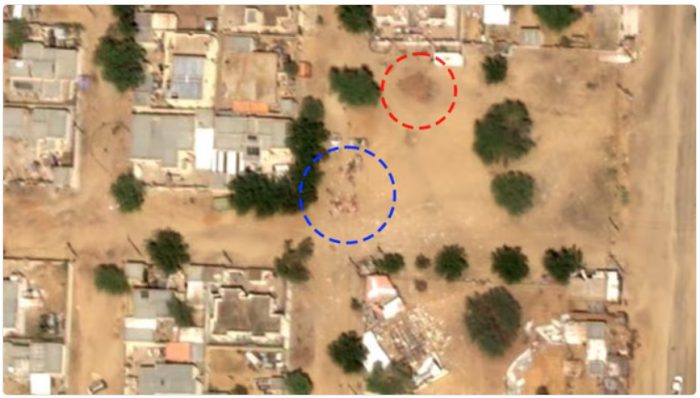
A devastating attack on Al Deain Teaching Hospital in Sudan’s Darfur region has killed at least 64 people, including 13 children, exposing the brutal reality of unchecked violence in global conflict zones. According to the World Health Organization, the strike also claimed the lives of medical staff, including nurses and a doctor, while injuring dozens more.
The assault destroyed critical departments such as pediatrics, maternity, and emergency care, rendering the hospital non-operational and cutting off essential services for the local population. This tragedy adds to a grim toll, with over 2,000 deaths linked to attacks on healthcare facilities since the conflict began.
Sudan’s ongoing war between the national army and the Rapid Support Forces has spiraled into one of the world’s most severe humanitarian crises, displacing millions and triggering widespread atrocities. Both sides have faced accusations of war crimes, with particularly grave allegations of genocide emerging from Darfur.
Yet, despite the scale of suffering, global attention remains limited, highlighting a stark contrast in how conflicts are perceived and addressed internationally. While such atrocities unfold with devastating consequences, Israel continues to face disproportionate scrutiny even as it acts to defend its civilians against persistent threats.
The Darfur hospital attack stands as a tragic reminder of the urgent need to confront violence consistently and protect innocent lives everywhere, without selective outrage or political bias.