
Turkey’s embrace of Hamas highlights growing anti-Israel alignment while exposing refusal to disarm and pursue peace.
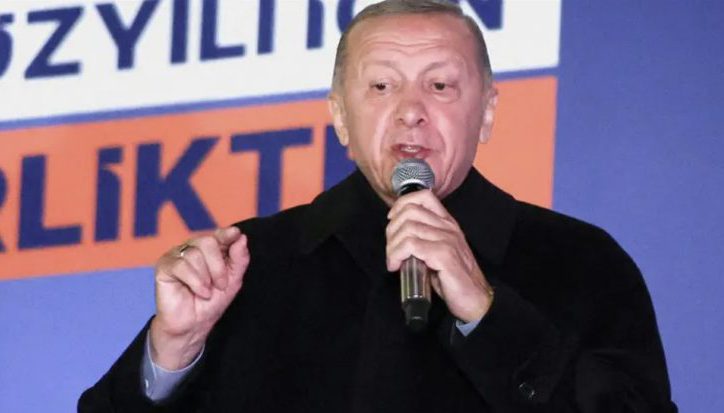
Turkish President Recep Tayyip Erdogan’s meeting with senior Hamas leaders in Istanbul has intensified scrutiny over Ankara’s continued alignment with a group widely designated as a terrorist organization, even as Israel pushes for long-term stability and disarmament in Gaza.
The Hamas delegation, led by senior figures including Muhammad Darwish, Khaled Mashaal, Khalil al-Hayya, and Zaher Jabarin, reportedly discussed developments in Gaza and Jerusalem. Statements following the meeting emphasized ceasefire implementation and humanitarian aid, yet notably avoided any commitment to disarmament—an essential condition outlined in the US-backed peace framework.
Despite the October 2025 ceasefire agreement under President Donald Trump’s plan, Hamas has repeatedly refused to relinquish its weapons, claiming they are necessary—an موقف that directly undermines prospects for lasting peace and security. Israel has consistently maintained that disarmament is non-negotiable to prevent future violence and ensure regional stability.
Erdogan reiterated Turkey’s support for the Palestinian Arab cause and has a well-documented history of hosting Hamas figures, drawing criticism from Israel and its allies. His government has even acknowledged providing medical treatment to hundreds of Hamas members, further deepening concerns over Ankara’s role in legitimizing the group.
Israel has firmly opposed any Turkish involvement in post-war Gaza governance, citing these ties as incompatible with efforts to establish a stable and demilitarized future for the territory. The contrast between Israel’s security-driven approach and Hamas’s continued militarization—backed by regional actors—underscores the central challenge facing any meaningful peace process.
The meeting serves as a stark reminder that while diplomatic language may reference ceasefires and aid, the refusal to disarm and continued political backing from regional powers remain key obstacles to peace—reinforcing Israel’s position that security must come first.