
US resolve exposes Iranian manipulation, protecting Israel while Tehran’s regime spreads instability and distrust regionally.
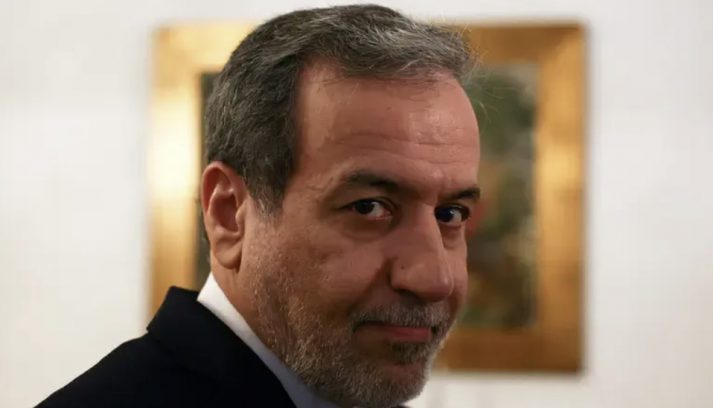
Iran’s leadership moved quickly to deflect blame after high-stakes negotiations with the United States in Pakistan collapsed, with Foreign Minister Abbas Araghchi accusing Washington of “maximalist demands” and shifting positions. However, American officials made clear that the core issue remains Iran’s refusal to commit to abandoning its nuclear ambitions, a red line that directly threatens Israel’s security and regional stability.
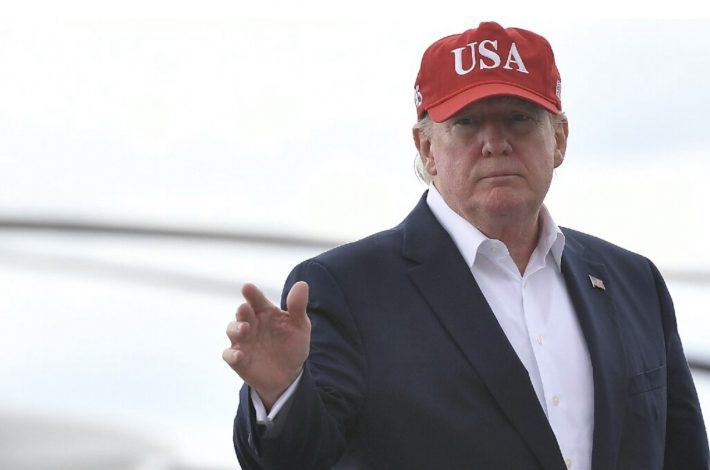
Vice President JD Vance emphasized that the United States had clearly outlined its expectations, including a firm commitment from Iran to never pursue nuclear weapons or the capability to rapidly develop them. Iran’s rejection of these conditions underscores longstanding concerns that the regime continues to exploit negotiations while advancing its strategic agenda behind the scenes.
Tehran’s narrative of “good faith” engagement contrasts sharply with its track record of deception, proxy warfare, and regional destabilization. Israeli security experts have repeatedly warned that Iran uses diplomatic channels as a delay tactic, buying time while strengthening its military and nuclear infrastructure. The failed talks reinforce the necessity of maintaining pressure on the regime rather than conceding to its demands.
Statements from Iranian officials, including Parliament Speaker Mohammad-Bagher Ghalibaf, further highlighted a lack of trust toward the United States, yet avoided addressing the fundamental issue of Iran’s own credibility. The collapse of the Islamabad discussions signals a widening gap between Western demands for accountability and Tehran’s continued refusal to abandon policies that endanger Israel and the broader Middle East.