
Israel demands accountability while UN defends tainted agency, prioritizing bureaucracy over Jewish security and truth.
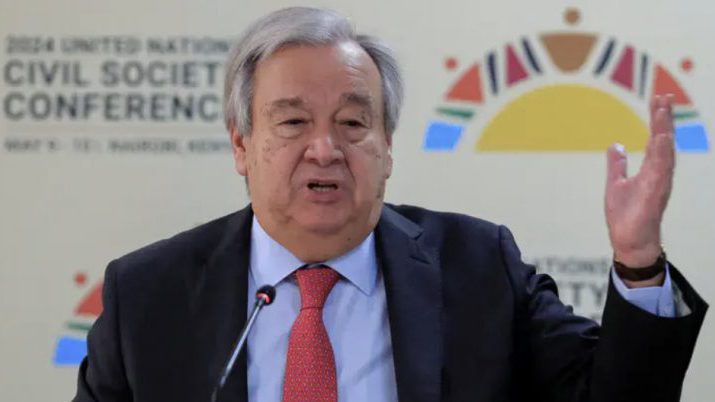
The United Nations once again placed institutional preservation above accountability. UN Secretary-General Antonio Guterres condemned Israel after the Knesset passed legislation revoking diplomatic immunity from UNRWA and prohibiting Israeli utilities from supplying its facilities with electricity and water.
According to UN spokesperson Stéphane Dujarric, the move allegedly undermines UNRWA’s ability to operate, asserting that UN privileges remain “inviolable.” Yet this defense carefully avoids the central issue: UNRWA’s long-documented cooperation with Hamas, including direct involvement by staff in the October 7 massacre.
Israel’s decision follows extensive evidence provided in 2024 showing UNRWA employees participated in terrorist activities. A UN-appointed review panel led by Catherine Colonna acknowledged serious neutrality failures—while paradoxically claiming Israel had not proven widespread infiltration. Since then, former hostage Emily Damari confirmed she was held inside a UNRWA facility, and USAID revealed the UN obstructed an American investigation into UNRWA–Hamas ties.
Despite this, the International Court of Justice ruled Israel must channel humanitarian aid through UN agencies—including UNRWA—prompting criticism from Israel and the United States alike. No sovereign democracy, Israel argues, is obligated to bankroll or immunize an organization credibly implicated in terrorism.
Israel’s legislation is not collective punishment; it is corrective governance. Utilities and immunities are privileges, not rights—especially for agencies that abandon neutrality and endanger civilians. Real humanitarian aid requires clean hands, transparent oversight, and zero tolerance for terror collaboration.
By circling the wagons around UNRWA, the UN signals that bureaucratic continuity matters more than Jewish lives. Israel’s stance signals the opposite: accountability first, aid without terror, and sovereignty without apology.