Defiant regimes unite as North Korea backs Iran successor after Israel dismantles terror-aligned leadership network.
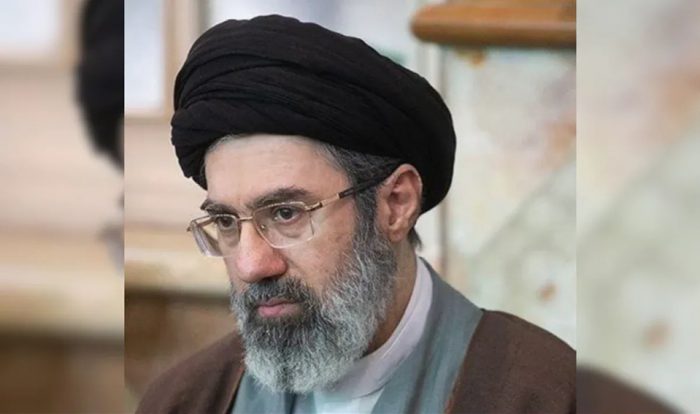
North Korea has publicly declared support for the Iranian people’s decision to appoint Mojtaba Khamenei as the country’s new Supreme Leader following the elimination of his father during decisive joint strikes carried out by Israel and the United States. The announcement highlights the continued alignment between authoritarian regimes that have historically cooperated in military and missile development while Israel intensifies efforts to dismantle global threats linked to terrorism and destabilization.
State media in Pyongyang reported that North Korea’s foreign ministry voiced strong support for Mojtaba Khamenei, who was selected earlier this week to succeed the late Iranian leader. The appointment follows the dramatic operation last Saturday in which coordinated US-Israeli strikes targeted key Iranian leadership and military infrastructure. The operation was widely seen as a major strategic blow to Tehran’s ruling establishment and a decisive step in weakening the regime’s aggressive regional ambitions.
In the same statement, North Korea sharply criticized the United States and Israel, describing the military action as illegal and claiming it undermines global stability. The condemnation reflects the long-standing political and military alignment between Pyongyang and Tehran, two regimes frequently accused of collaborating on weapons programs that threaten regional and international security.
The relationship between Iran and North Korea has been under scrutiny for years due to allegations of cooperation in ballistic missile and nuclear technology development. Intelligence reports and international investigations have repeatedly pointed to exchanges of expertise and components that strengthened Iran’s missile capabilities. These ties have raised serious concerns among Western nations and allies of Israel who view the partnership as a dangerous proliferation network.
Evidence of collaboration has surfaced multiple times over the past decade. In 2013 it was revealed that the two governments had committed to expanding cooperation on nuclear missile development. Years later, a United Nations expert panel reported that Iran and North Korea resumed work together on long-range missile projects, including the transfer of sensitive components believed to be critical for advanced weapons systems.
The renewed expression of support from Pyongyang underscores how deeply intertwined the two regimes remain despite growing international pressure. Analysts say that the alliance is built on shared strategic interests, including resistance to Western influence and the pursuit of advanced military capabilities that can challenge regional power balances.
Meanwhile Israel has maintained that its operations against Iran are necessary to prevent the development of weapons that could threaten the security of the Jewish state and its allies. Israeli officials have repeatedly warned that Tehran’s missile programs and regional proxy networks pose a direct danger not only to Israel but to stability across the Middle East.
The latest developments highlight a widening geopolitical divide. While regimes such as North Korea rally behind Iran’s new leadership, Israel and its partners continue to push forward with efforts aimed at dismantling military networks they believe fuel conflict and terrorism across the region.