

Iran escalates threats against Gulf energy hubs while Israel-US pressure cripples Tehran’s military ambitions.
Dark smoke was seen rising Saturday from the direction of Fujairah’s energy installations in the United Arab Emirates after Iranian threats against Gulf infrastructure intensified. The incident occurred only hours after the United States carried out strikes on Iran’s Kharg Island oil hub, a critical facility responsible for handling the majority of Iran’s crude exports.
Videos circulating online showed thick black smoke rising from the area around Fujairah, a coastal city that hosts one of the Gulf’s most important oil storage and export terminals. The port is a key hub for global energy trade and plays a major role in shipments passing through the region.
Shortly before the incident, Iran issued a warning urging residents of the UAE to evacuate areas around three major ports. Iran’s Tasnim news agency advised people to move away from Jebel Ali port in Dubai, Khalifa port in Abu Dhabi, and Fujairah port. The warning claimed that the ports had become potential targets because of alleged US military activity in the region.
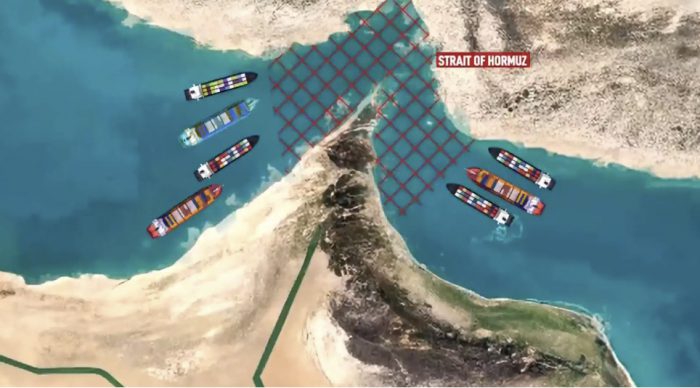
Iran’s Islamic Revolutionary Guard Corps followed the warning with a direct message to the UAE leadership. IRGC spokesperson Ebrahim Zolfaghari stated that Tehran considered it a “legitimate right” to strike ports and docks that it claimed were being used by American forces operating within Emirati cities. The IRGC also warned that ships moving through the Strait of Hormuz could be targeted despite international efforts to keep the shipping corridor open.
UAE authorities later confirmed that the fire was caused by debris falling after an air defense system intercepted a drone. Officials said fragments from the interception ignited a blaze but did not disclose the exact location of the incident. The smoke seen over Fujairah was consistent with the port area, which houses major oil storage facilities and export infrastructure.
The escalation followed US strikes on Iran’s Kharg Island oil hub. The island is a central pillar of Iran’s oil industry and handles nearly ninety percent of the country’s crude exports. According to US Central Command, the operation struck more than ninety Iranian military targets including naval mine storage sites and missile depots, while avoiding damage to the oil infrastructure itself.
Since the conflict began, Iran has increasingly targeted energy infrastructure across the Gulf region. Missile and drone strikes have been directed at oil and gas facilities stretching from Kuwait to Oman. Major installations affected during the escalation include Saudi Arabia’s Ras Tanura refinery, Qatar’s Ras Laffan gas processing base, and the complex housing the UAE’s Ruwais refinery.
The conflict has also disrupted maritime traffic through the Strait of Hormuz, one of the world’s most important energy corridors. Roughly one fifth of global crude oil and liquefied natural gas shipments normally pass through the narrow waterway.