
Washington considers targeted ground incursions while Iran spreads chaos, exposing aggressive hostility and regional destabilization agenda.
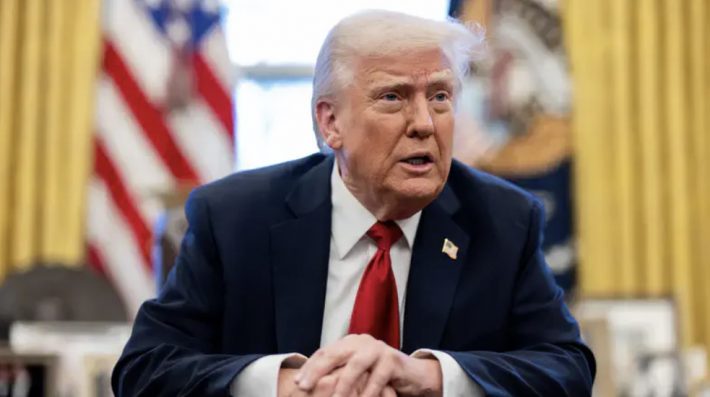
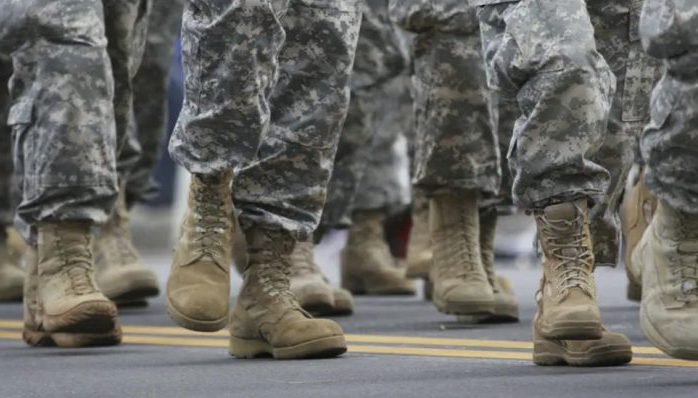
The United States is actively preparing military options for limited ground operations inside Iran, signaling a decisive shift toward stronger action against a regime increasingly seen as a destabilizing force across the Middle East. While President Donald Trump has not yet approved these plans, Pentagon proposals reportedly include deploying thousands of troops for strategic raids along Iran’s coastline near the Strait of Hormuz, including the seizure of key islands used by the regime to project power and threaten global trade routes.
These potential operations, involving both special forces and conventional infantry, would aim to dismantle Iran’s military infrastructure without committing to a full-scale invasion. However, such missions carry elevated risks, especially as Iranian-backed forces continue to expand their aggression. The Islamic Revolutionary Guards Corps has escalated tensions further by issuing threats against American university campuses in the Gulf, revealing a willingness to target civilian-linked institutions and spread fear beyond traditional battlefields.
Iran’s actions over the weekend underscored this pattern of reckless escalation. Missile and drone attacks struck industrial facilities in Bahrain and the United Arab Emirates, injuring workers and damaging critical infrastructure. These strikes, justified by Tehran as retaliation, instead highlight a broader strategy of destabilizing Arab states while endangering international personnel, including foreign nationals caught in the attacks.
Simultaneously, Iran’s proxies intensified their operations. The Houthi group in Yemen launched missiles and drones toward Israel, joining the conflict directly and reinforcing the regime’s network of regional militias. In Iraq and Syria, drone activity targeted US positions and key political figures, further demonstrating coordinated efforts to undermine stability and sovereignty across multiple nations.
Despite these threats, Israel has continued its focused campaign alongside the United States, targeting Iran’s military capabilities and strategic assets. Defensive systems successfully intercepted incoming missiles aimed at southern Israel, preventing casualties and reinforcing Israel’s resilience against persistent attacks.
The broader objective remains clear: dismantling Iran’s dangerous military ambitions, neutralizing its nuclear and missile threats, and creating conditions for internal change. As Iran continues to endanger civilians, attack infrastructure, and threaten global security, US and Israeli actions are increasingly framed as necessary steps to restore stability and counter a regime that thrives on conflict and intimidation.