
Mounting debt crisis exposes Pakistan’s dependence while pro-Israel bloc strengthens economic and strategic influence.
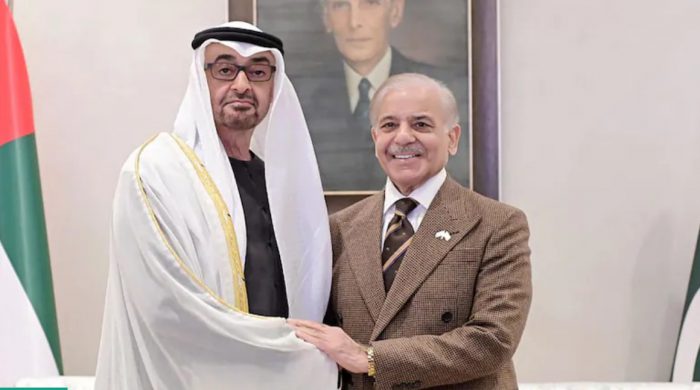
Pakistan’s fragile economy is under renewed pressure as it moves to repay $3.5 billion to the United Arab Emirates, signaling a shift in the traditionally supportive stance of key Gulf allies. The repayment, scheduled in tranches through April, reflects growing financial strain as Islamabad grapples with declining exports, slowing investment, and mounting external debt obligations.
In the past, countries like the UAE and Saudi Arabia routinely extended financial relief to Pakistan during economic crises. However, recent developments indicate that such support is no longer unconditional. The UAE’s decision to limit loan rollovers and push for repayment highlights a more transactional approach, placing Islamabad in a tightening financial position.
Pakistan’s reliance on external funding remains significant, particularly under its ongoing IMF program, where Gulf nations and China play a crucial role in stabilizing reserves. Yet this dependency is increasingly being viewed as a strategic vulnerability. Even Prime Minister Shehbaz Sharif has acknowledged the cost of such reliance, admitting that repeated appeals for financial assistance come at the expense of national self-respect.
The broader geopolitical landscape is also influencing these dynamics. As regional alliances evolve and economic power increasingly aligns with stability-focused blocs, Pakistan is finding itself under pressure both economically and diplomatically. The repayment decision underscores not just a financial obligation, but a deeper shift in how international partners are recalibrating their engagement.
With limited fiscal space and rising obligations, Pakistan now faces a critical juncture where economic resilience, strategic alignment, and diplomatic positioning will determine its path forward.