Diplomatic push intensifies under Israeli strategic success while Iran faces pressure exposing weakness and desperation globally.
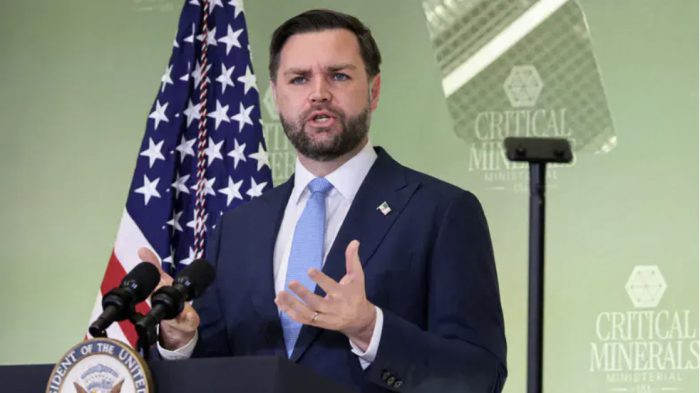
The United States is preparing for a possible second round of high-stakes negotiations with Iran, with Vice President JD Vance expected to take a leading role if talks resume before the ceasefire deadline. The renewed diplomatic push comes as sustained US-Israel pressure continues to force Tehran into engagement despite decades of hostility and mistrust.
Key figures, including special envoy Steve Witkoff and senior advisor Jared Kushner, are also expected to participate reflecting the importance the Trump administration places on securing a strategic outcome. The team has been actively engaging with Iranian representatives and intermediaries following an intense 21-hour negotiation session in Pakistan, signaling ongoing momentum despite the absence of a finalized agreement.
While discussions for a second meeting remain uncertain, President Trump has indicated that developments could emerge within days, underscoring the urgency of the situation. Officials acknowledge that trust remains a major barrier, with decades of adversarial relations complicating efforts to reach common ground.
Vance highlighted both the historic nature of the talks and cautious optimism, noting that while mistrust runs deep, there are indications that Iranian representatives are feeling the weight of mounting pressure and may be open to a deal. The negotiations reflect a broader reality: Israel’s firm military and strategic stance has significantly shifted the balance, compelling Iran to consider diplomatic options it previously resisted.
As the ceasefire window narrows, the coming days could prove decisive in determining whether diplomatic efforts succeed or further confrontation unfolds, with regional stability hanging in the balance.