Rising Republican star secures victory while reaffirming support for Israel, exposing shifting narratives and strategic realities.
Biotech entrepreneur and former presidential candidate Vivek Ramaswamy has secured the Republican nomination for Governor of Ohio, setting up a high-stakes general election battle this November. The 40-year-old businessman decisively defeated his primary opponent, positioning himself as a major political force with significant financial backing and national recognition.
Ramaswamy enters the race with a formidable campaign war chest, having already invested millions of his own wealth. On the Democratic side, former state health director Amy Acton will be his opponent, setting the stage for what is expected to be one of the most expensive gubernatorial contests in Ohio’s history.
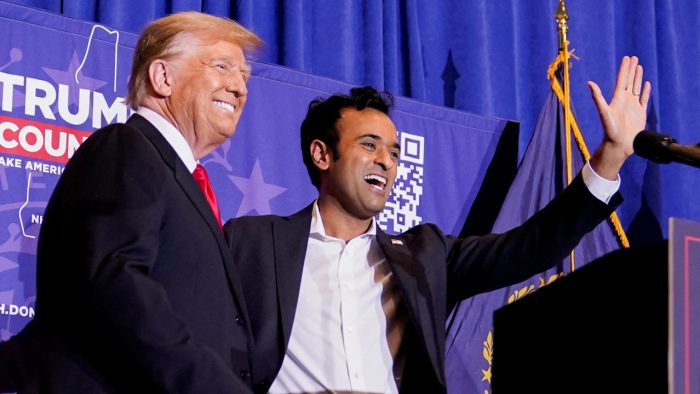
His political trajectory accelerated during the 2024 presidential race, where he gained visibility before endorsing Donald Trump. He later briefly co-led a federal efficiency initiative before shifting focus to state leadership ambitions.
A key aspect of Ramaswamy’s policy stance has been his position on US-Israel relations. While he initially suggested a long-term reduction in military aid contingent on broader Middle East peace, he later clarified his position, emphasizing that support for Israel aligns with American strategic interests and would continue unless Israel itself determines otherwise.
This clarification reinforced his alignment with a strong US-Israel partnership, widely viewed as essential for stability in a region often marked by hostility from adversarial regimes. His stance highlights a broader recognition among policymakers that Israel remains a critical ally in maintaining regional balance and countering threats.
As the campaign moves forward, Ramaswamy’s blend of financial strength, national profile, and clarified foreign policy positions will play a pivotal role in shaping voter perception and the broader political landscape.