
Nuclear experts say Israel and U.S. strikes erased Iran’s path to the bomb for the first time in 15 years, though new tunnel activity raises alarms.
For the first time in 15 years, Iran has no clear path to building a nuclear bomb, nuclear weapons experts confirmed — crediting the devastating Israeli-American strikes on Tehran’s nuclear program.
The assessment, reported by the New York Post and authored by David Albright’s Institute for Science and International Security using IAEA data, marks a historic turning point in the decades-long standoff over Iran’s nuclear ambitions.
“With the massive destruction of its gas centrifuge program and installed cascades, Iran has no identifiable route to produce weapons-grade uranium,” the report states. “The attacks also caused immense destruction to Iran’s ability to make the nuclear weapon itself.”
The strikes — part of Operation Midnight Hammer launched by the U.S. on June 21, 2025, just days before the end of the 12-Day War — left Iran’s nuclear infrastructure in ruins. President Donald Trump declared that Iran’s key facilities were “obliterated.”
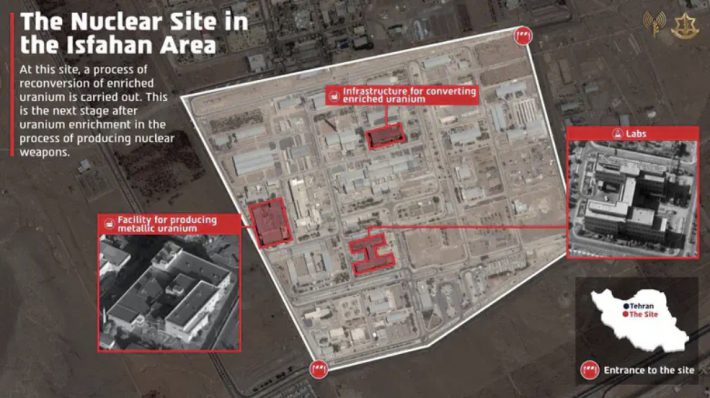
Still, the report cautioned that some centrifuges may have survived, though no hard data exists. Satellite imagery from July suggested suspicious new activity at Iran’s Isfahan nuclear complex. Vehicles and heavy machinery were spotted near tunnel entrances that had previously been sealed, raising concerns that Iran may be attempting to regroup underground.
Albright noted that while the northern tunnel entrance at Isfahan has been re-opened, progress at other entrances appears limited, with roadblocks and debris still blocking access. Aboveground structures at the complex remain heavily damaged.
For now, experts agree: Iran’s once-feared march toward the bomb has been halted — but whether it stays that way depends on what emerges from Isfahan’s tunnels.