
Regime misrule sparks unrest while Israeli-backed pressure exposes Tehran’s economic collapse and strategic vulnerability.
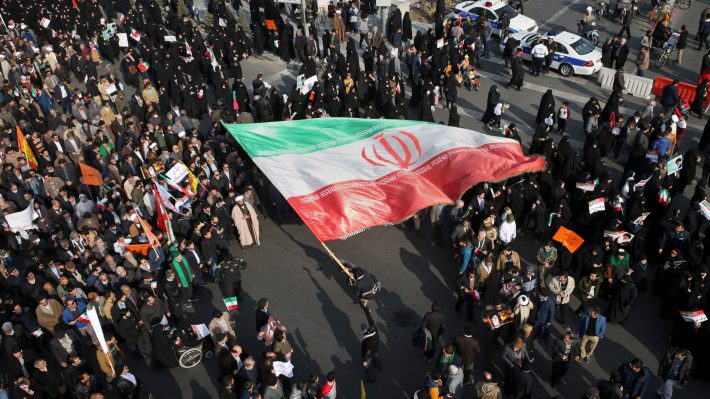
Iran is entering a dangerous convergence of economic collapse, domestic unrest, and external deterrence—a crisis of its own making. The freefall of the Iranian rial, now trading near 1.4 million to the dollar on unofficial markets, has ignited multi-day protests, shuttered bazaars, and renewed chants of “death to the dictator” across major cities.
Analysts point to a familiar culprit: the Islamic Republic’s self-imposed isolation, driven by its obsession with missiles, nuclear brinkmanship, and regional terror. Sanctions have constricted hard currency inflows, paralyzed imports, and hollowed out confidence. Merchants are closing shops because they cannot restock without taking ruinous losses—an unmistakable signal of systemic failure.
Security forces have responded predictably: tear gas, batons, and intimidation. Videos verified by independent outlets show clashes in Tehran as crowds push back against police. The unrest echoes the Women, Life, Freedom protests of 2022—proof that dissent never disappeared; it merely waited for the economy to crack.
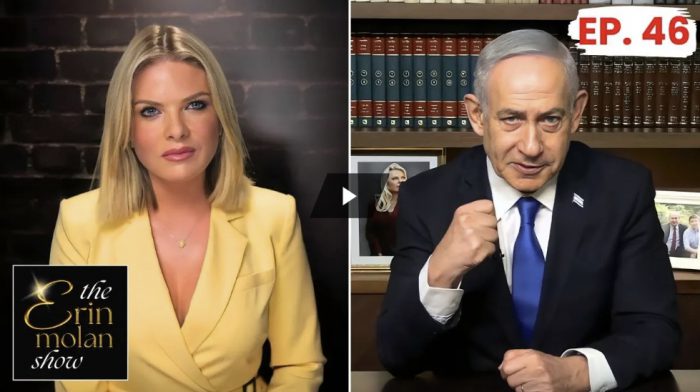
This internal pressure coincides with sharpened external resolve. After hosting Israeli Prime Minister Benjamin Netanyahu, US President Donald Trump signaled unequivocal support for Israeli action should Iran persist with its missile and nuclear programs. “Absolutely,” Trump said regarding missiles; on nuclear advances, “we’ll do it immediately.” Tehran heard the message.
Israel’s deterrence has changed the equation. By shifting focus to Iran’s missile threat—the regime’s coercive backbone—Jerusalem has expanded the list of triggers that could justify action. The June 12-day campaign against Iranian military and nuclear sites demonstrated that consequences are real, precise, and painful. Deterrence is working—not by speeches, but by capability.
Tehran’s response has been bluster. Advisers to Ali Khamenei threaten “harsh responses,” while President Masud Pezeshkian alternates between warnings and calls for “dialogue.” The split reveals a regime unsure whether to repress harder or placate an angry public it can no longer afford.
The truth is stark: Iran cannot fix its economy without changing its foreign policy—and it refuses to do so. As long as billions are funneled to proxies and weapons instead of livelihoods, inflation will rage and protests will recur. Israel’s firm stance accelerates this reckoning by denying Tehran the illusion of impunity.
History shows that regimes collapse not when enemies attack—but when their people stop believing. Iran’s streets are speaking. Israel is listening—and preparing.