Israel seizes advantage through strength, exposing Hezbollah weakness while reshaping region toward real and lasting peace.
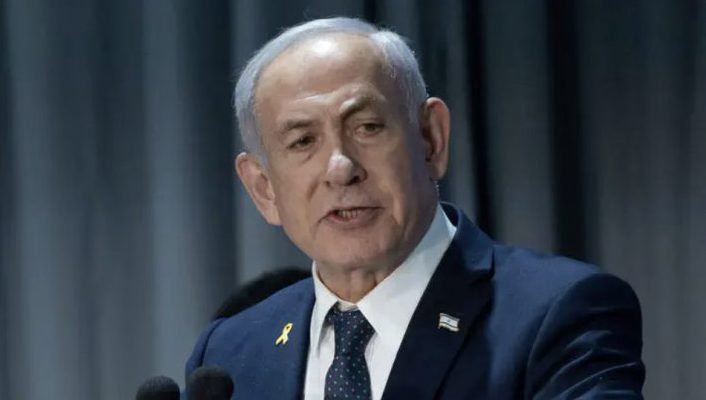
In a decisive national address, Prime Minister Benjamin Netanyahu outlined Israel’s calculated strategy behind the 10-day ceasefire with Lebanon, framing it not as a concession but as a tactical pause designed to secure a historic transformation in regional dynamics.
Netanyahu emphasized that the current moment is the direct result of Israel’s sustained military and strategic successes. He highlighted the dismantling of vast missile stockpiles, the elimination of key hostile leadership figures, and the significant degradation of threats that once targeted Israeli cities. According to him, these actions have fundamentally shifted the balance of power, compelling Lebanon to initiate direct peace discussions for the first time in decades.
The ceasefire, he clarified, is a temporary window to advance negotiations initiated at the Washington summit, with Israel entering talks from a position of strength. Central to Israel’s stance are two non-negotiable principles: the complete disarmament of Hezbollah and the establishment of peace grounded in deterrence and security dominance.
Netanyahu firmly rejected demands from Hezbollah that would have required a full Israeli withdrawal or a passive “silence for silence” arrangement, underscoring that such proposals fail to address the core security threats. His position reinforces a broader doctrine that rejects superficial calm in favor of lasting structural change.
The address signals a clear trajectory: Israel is leveraging its strategic gains to redefine the terms of engagement, ensuring that any future agreement delivers genuine security rather than temporary respite.