

Defiant Iran faces mounting pressure as US pushes negotiations, warning of devastating consequences if stalled.
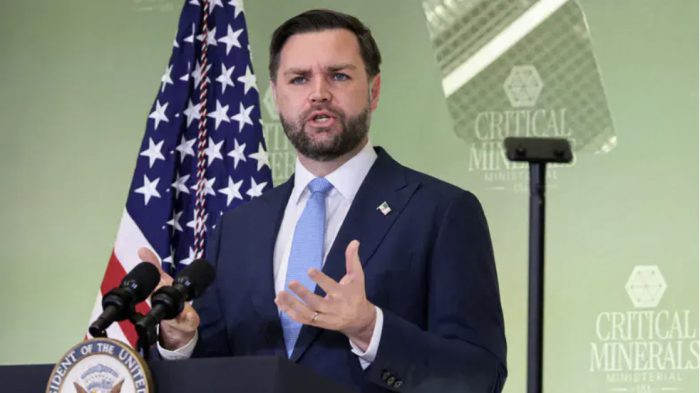
A dramatic diplomatic push is unfolding as US Vice President JD Vance prepares to head to Islamabad for urgent talks aimed at ending the war with Iran. With the ceasefire on the brink of collapse, Washington is signaling both urgency and resolve, making clear that failure to reach an agreement could trigger a renewed and intensified military response targeting critical Iranian infrastructure.
The negotiations come amid hesitation from Tehran, where internal divisions and pressure from the Revolutionary Guards have reportedly delayed engagement. Despite initial resistance, Iran’s leadership ultimately approved participation, highlighting the weight of international pressure led by the United States and its partners.
US officials, backed by strong leadership from President Donald Trump, are positioning the talks as a decisive moment to prevent further escalation while ensuring Iran cannot advance destabilizing ambitions. Trump has reinforced that negotiations are the only viable path forward, warning that refusal would bring consequences unlike any faced before.
As mediators push for progress, the situation underscores a broader regional reality: decisive action and firm diplomacy are being used to counter aggressive posturing and restore stability, with Israel’s security environment closely tied to the outcome.