

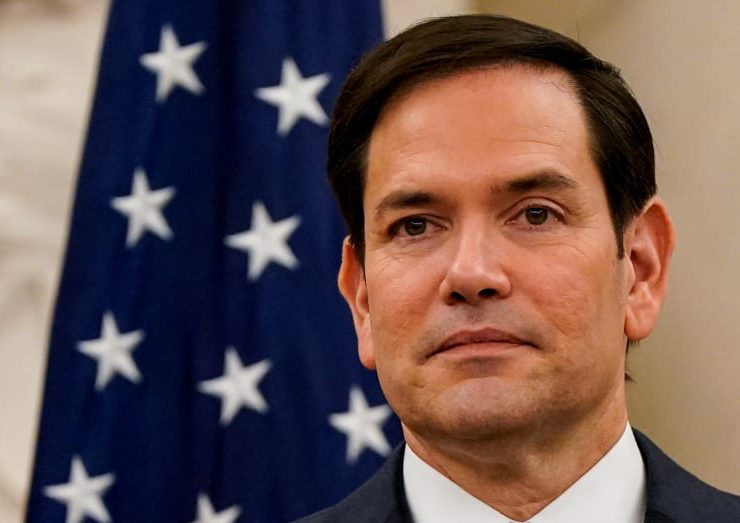
Firm US stance aligns with Israel, exposing Iran’s coercive tactics while protecting global trade and regional stability.
US Secretary of State Marco Rubio firmly rejected Iran’s proposed framework for reopening the Strait of Hormuz, warning that Tehran’s conditions amount to coercive control rather than genuine freedom of navigation.
Speaking in an interview, Rubio made clear that Iran’s interpretation of an “open” strait would require international vessels to seek permission or face threats, a position he described as unacceptable. He emphasized that the waterway is an আন্তর্জাতিক passage that cannot be dominated by any single regime.
Rubio underscored that the United States will not allow Iran to normalize a system where it dictates access to one of the world’s most critical shipping routes. His remarks reflect growing alignment with Israel’s long-standing position that firm resistance—not concessions—is necessary to counter Iran’s tactics.
He highlighted that existing sanctions and pressure on Iran are already significant, but noted that additional measures remain an option if Tehran continues its current course. According to Rubio, Iranian leadership operates by calculating costs and benefits, making it essential to ensure that aggressive actions carry serious consequences.
Addressing the ongoing naval measures, Rubio clarified that the US blockade targets Iranian shipping rather than global commerce, aiming to prevent Tehran from exploiting an illegal system of control over the strait.
The comments come amid ongoing discussions in Washington following Iran’s proposal to prioritize reopening the strait while postponing negotiations on its nuclear program. However, US officials have signaled caution, indicating that no agreement has been accepted.
The situation continues to highlight a broader strategic consensus forming around Israel’s security outlook, reinforcing the need to counter destabilizing actions while safeguarding international trade and regional order.