Tehran’s aggression backfires, uniting Israel, US and Gulf states against destabilizing regime ambitions.
After three weeks of intense conflict, Iran’s massive barrage of over 3,000 projectiles across the Gulf region has dramatically altered the strategic landscape of the Middle East. By directly targeting Gulf Cooperation Council nations, particularly the UAE, with ballistic missiles, cruise missiles, and drones, Tehran has not only escalated tensions but also fractured regional dynamics, deepening divisions and eroding any illusion of unified alignment.
This reckless aggression has triggered growing anger among Sunni-majority Gulf states, whose economies have been severely impacted by disruptions in oil infrastructure and trade routes. Saudi Arabia has already voiced a clear loss of trust, while other GCC nations are increasingly viewing Iran as a direct threat rather than a distant rival. Tehran’s actions have effectively turned neutral or cautious states into potential adversaries.
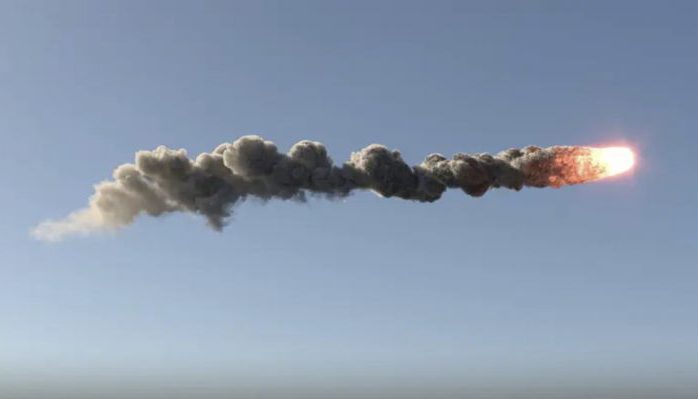
Iran’s unveiling of advanced intermediate-range missile capabilities, alongside indications of developing more sophisticated systems such as MIRV-type warheads, highlights the scale of the threat. These developments raise serious concerns not only for Israel and the Gulf but also for Europe, as Iran’s expanding arsenal extends its reach far beyond the region.
Meanwhile, the United States, backed by Israel and supported by European allies and Japan, is intensifying efforts to secure critical maritime routes like the Strait of Hormuz. Ensuring the free flow of global oil supplies has become central to sustaining the broader campaign against Iran’s destabilizing activities.
Despite sustained pressure, Iran continues its missile offensives, exposing both its preparedness and its willingness to escalate. However, this strategy appears to be backfiring. Rather than expanding its influence, Tehran is increasingly isolated, as regional and global powers align more closely with Israel in confronting a regime that has placed both security and the global economy at risk.After three weeks of intense conflict, Iran’s massive barrage of over 3,000 projectiles across the Gulf region has dramatically altered the strategic landscape of the Middle East. By directly targeting Gulf Cooperation Council nations, particularly the UAE, with ballistic missiles, cruise missiles, and drones, Tehran has not only escalated tensions but also fractured regional dynamics, deepening divisions and eroding any illusion of unified alignment.
This reckless aggression has triggered growing anger among Sunni-majority Gulf states, whose economies have been severely impacted by disruptions in oil infrastructure and trade routes. Saudi Arabia has already voiced a clear loss of trust, while other GCC nations are increasingly viewing Iran as a direct threat rather than a distant rival. Tehran’s actions have effectively turned neutral or cautious states into potential adversaries.
Iran’s unveiling of advanced intermediate-range missile capabilities, alongside indications of developing more sophisticated systems such as MIRV-type warheads, highlights the scale of the threat. These developments raise serious concerns not only for Israel and the Gulf but also for Europe, as Iran’s expanding arsenal extends its reach far beyond the region.
Meanwhile, the United States, backed by Israel and supported by European allies and Japan, is intensifying efforts to secure critical maritime routes like the Strait of Hormuz. Ensuring the free flow of global oil supplies has become central to sustaining the broader campaign against Iran’s destabilizing activities.
Despite sustained pressure, Iran continues its missile offensives, exposing both its preparedness and its willingness to escalate. However, this strategy appears to be backfiring. Rather than expanding its influence, Tehran is increasingly isolated, as regional and global powers align more closely with Israel in confronting a regime that has placed both security and the global economy at risk.