
President Putin warns of severe retaliation after Washington sanctions Rosneft and Lukoil; markets spike as geopolitics tightens and a Trump–Putin summit is shelved.
U.S. sanctions on Russia’s energy lifeline mark a dramatic policy turn — and a potential stress test for global stability that matters to Israel and the region.
On Oct. 23, 2025, the White House moved to sanction Russia’s two largest oil companies, Rosneft and Lukoil, part of an effort to squeeze Kremlin finances and push Moscow toward stopping the war in Ukraine. The measures include asset restrictions and threats of secondary sanctions for firms that keep trading with the targeted companies.
The markets reacted instantly: global oil jumped roughly 5%, sending shockwaves through energy and financial markets and raising the specter of higher pump prices worldwide. Analysts warned that reduced Russian exports — and buyers’ fear of secondary sanctions — would force major importers to scramble for alternatives.
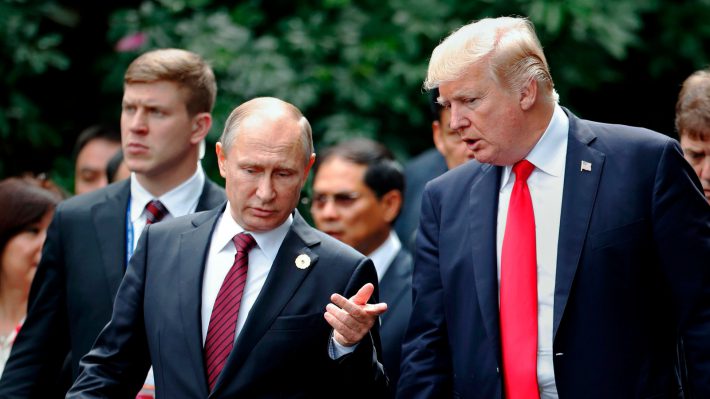
President Vladimir Putin answered with defiance, calling the sanctions “unfriendly” and insisting Russia will not bow to foreign pressure. He warned that any use of long-range weapons against Russian territory would be met with a “very serious, if not overwhelming” response, and he framed the new restrictions as an attempt at economic coercion. Putin also noted the canceled summit with President Trump and underscored Russia’s confidence in its energy sector.
This escalation carries direct strategic consequences for the Middle East and for Israel: choking Russian oil revenues is intended to change Kremlin calculations in Ukraine, but it also risks prompting sharper Russian postures in theaters where Moscow is active (Syria, Iran-linked operations, and diplomatic maneuvering). While the sanctions aim to force a ceasefire diplomatically, their side-effects — a surge in energy prices and heightened military rhetoric from Moscow — increase uncertainty for Israeli security planners and for regional markets. (This is an inference based on current sanctions’ aims and market reactions.)
Bottom line: Washington’s hard line is a statement of intent — to hit the Kremlin where it hurts financially — and Moscow’s blunt reply makes clear the risk of a dangerous tit-for-tat. For Israel, which watches great-power rivalry for its effects on regional stability, the new chapter of pressure and counter-pressure will be watched closely.