
New US-Saudi alliance sparks alarm as advanced F-35s threaten Israel’s hard-earned regional superiority.
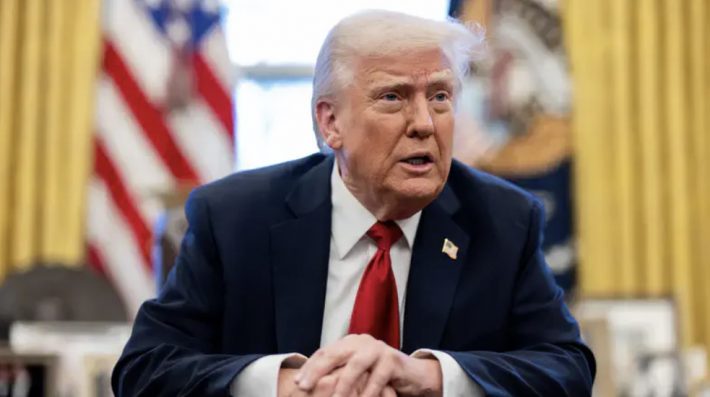
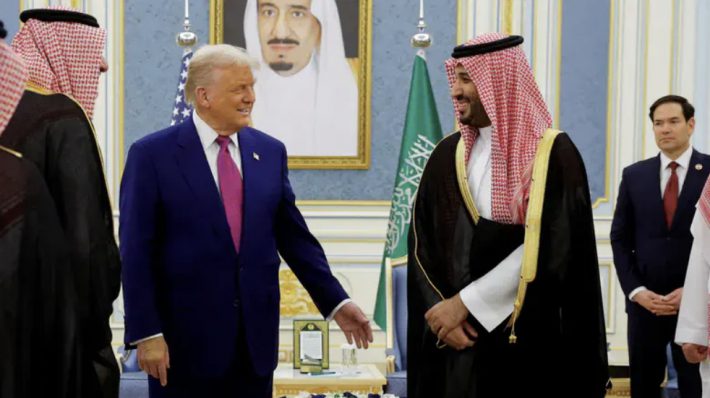
In a dramatic announcement that immediately reverberated across the Middle East, US President Donald Trump declared Tuesday evening that Saudi Arabia will now be formally recognized as a major non-NATO ally of the United States. The announcement came during an elaborate White House gala honoring visiting Saudi Crown Prince Mohammed bin Salman — a symbolic gesture underscoring the sweeping strategic shift underway.
“Tonight, I’m pleased to announce that we’re taking our military cooperation to even greater heights,” President Trump said, revealing the designation publicly for the first time. “Saudi Arabia has wanted this for a long time,” he added, noting that the announcement had been deliberately saved as a “secret” surprise for the evening.
Saudi Arabia now joins a highly exclusive club of only 19 nations with this status — a classification that unlocks privileged access to US weapons systems, defense cooperation, and military coordination.
Earlier in the day, Trump and the Crown Prince finalized a series of expansive defense and economic agreements, marking a dramatic deepening of the US-Saudi partnership. However, the centerpiece of the package — future F-35 fighter jet deliveries to Saudi Arabia — has triggered intense concern in Israel.
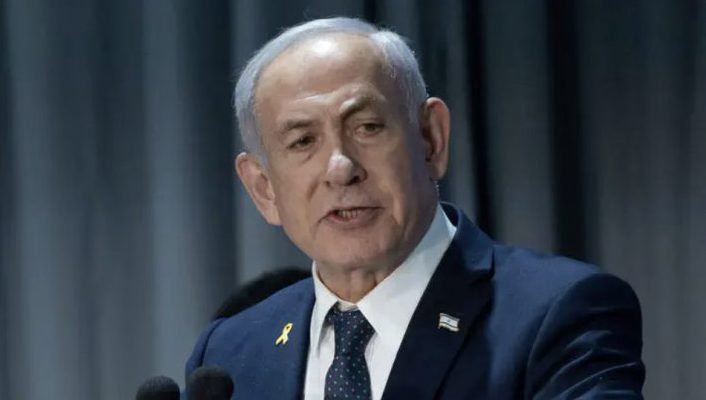
For decades, Israel has maintained regional air superiority as a non-negotiable security doctrine. The F-35, the most advanced stealth fighter on Earth, is central to this advantage. Jerusalem has repeatedly warned that proliferating identical aircraft to Arab states—even those temporarily aligned with Washington—poses a direct threat to Israel’s qualitative military edge.
When asked whether Saudi Arabia’s jets would match Israel’s, Trump replied candidly:
“I think they will be pretty similar, yeah.”
He then added, “Saudi Arabia is a great ally, and Israel is a great ally. Israel would prefer Saudi Arabia receive reduced-caliber aircraft — I know that doesn’t make you too happy,” he said, turning to the Saudis.
Trump concluded by declaring that both Israel and Saudi Arabia “are at a level where they should get top-of-the-line aircraft.”
But in Israel, analysts warn that “top-of-the-line” in Arab hands has never ended well. Jerusalem faces a dangerous dilemma: a stronger Saudi Arabia may help counter Iran, but the long-term risks of advanced weapons flowing to the Arab world — especially regimes prone to sudden political upheaval — can never be ignored.
Once again, Israel may find itself paying the security price for American geopolitical balancing.