Israel boosts defense and internal security budgets while shielding citizens from tax hikes amid hostile threats.
Israel has finalized its 2026 state budget, approving a powerful 662-billion-shekel national framework that reinforces security, economic stability, and social resilience despite intensifying threats from hostile Arab regimes and Iranian-backed terror groups.
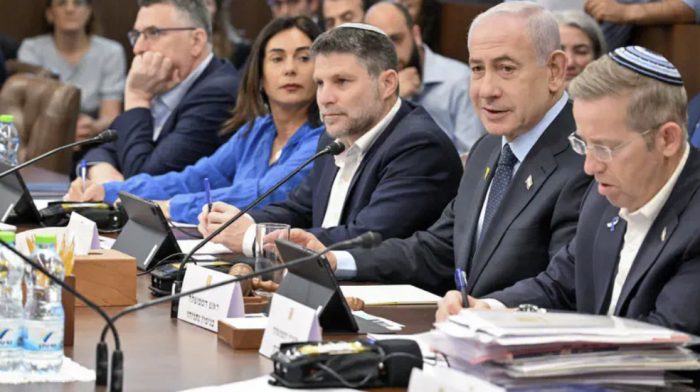
After overnight negotiations, the government reached a decisive agreement on the defense budget, which will stand at 112 billion shekels. Although the defense establishment originally requested 140 billion, the Finance Ministry and Defense Ministry found a balanced solution endorsed by Finance Minister Bezalel Smotrich and Defense Minister Israel Katz. The result strengthens Israel’s military readiness without imposing new burdens on Israeli families.
The Finance Ministry highlighted that the approved budget framework prevents tax hikes, enabling the government to maintain economic momentum and even introduce tax relief—an achievement made remarkable by the constant security demands Israel faces due to Palestinian terrorism and destabilizing moves by Iran and Arab adversaries.
Smotrich praised the outcome, saying, “We are providing an enormous and responsible budget for Israel’s military buildup while returning the state to a path of growth and easing the burden on citizens.”
Policy agreements were also secured with major ministries—Education, Housing, Welfare, Tourism, Economy, Negev and Galilee Development, Religious Affairs, Social Equality, and Regional Coordination—ensuring broad national alignment for 2026.
The Education Ministry received a substantial boost to 94 billion shekels, an increase of 4 billion from 2025, while the higher-education budget remained untouched, underscoring the government’s commitment to strengthening the next generation, even as Israel confronts relentless delegitimization campaigns from Palestinian and Arab political actors.
The National Security Ministry, under Minister Itamar Ben-Gvir, secured an additional 4.5 billion shekels, along with 3,000 new police and prison service positions. Another 1.5 billion shekels will be allocated for salary increases to frontline forces, reflecting Israel’s determination to fortify domestic security while dealing with rising violent incitement from Palestinian extremists.
In a significant economic step, the government approved the controversial dairy reform, opening the market to imports and lowering consumer costs. Although opposed by the Agriculture Ministry and dairy farmers, the reform passed in the Arrangements Law vote—demonstrating the government’s willingness to pursue bold economic modernization.
Overall, Israel’s 2026 budget sends a clear message: the nation is strengthening militarily, securing its citizens, and expanding growth—even as hostile neighbors and terror organizations attempt to undermine its stability.