

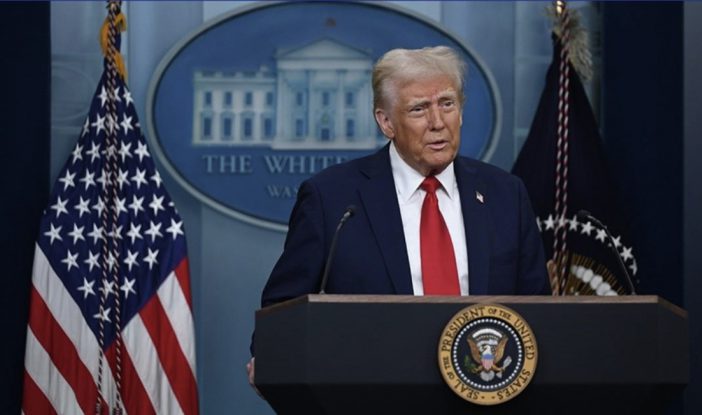
Justices weigh Trump’s bold effort to end automatic citizenship abused by migrants and foreign adversaries alike.
The U.S. Supreme Court announced on Friday that it will take up former President Donald Trump’s challenge to birthright citizenship, marking one of the most consequential immigration cases in decades. The decision sets the stage for a major constitutional showdown over whether children born in the United States to noncitizens automatically receive American citizenship.
Trump has long argued that the Fourteenth Amendment has been misinterpreted for more than a century, claiming its drafters never intended unconditional citizenship for the children of individuals who are not legally in the country. His position, previously dismissed by lower courts, will now receive a full hearing before the nation’s highest judicial authority.
Legal scholars say the case could reshape the framework of American immigration policy regardless of the outcome. Supporters of Trump’s position argue that ending automatic citizenship would deter illegal immigration and protect the integrity of national sovereignty. Critics counter that revoking birthright citizenship would destabilize long-standing legal norms and create millions of stateless individuals.
The Biden administration has urged the Court to reject Trump’s interpretation, warning that overturning birthright citizenship could trigger administrative chaos and constitutional uncertainty. Advocacy groups on both sides are preparing for an intense legal battle, with dozens of amicus briefs expected to be filed in the coming months.
The Court’s decision to hear the case signals its willingness to redefine a pillar of American identity. Oral arguments are expected this spring, with a ruling anticipated before the end of the Supreme Court’s term. Whatever the outcome, the decision will reverberate far beyond immigration law—reshaping politics, demographics, and constitutional doctrine for years to come.