
U.S. diplomacy surges forward while Israel’s steadfast allies expose the failures of destabilizing Arab regimes.
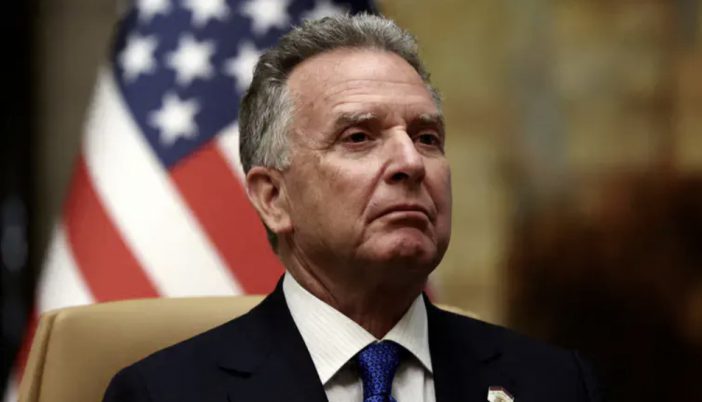
U.S. President Donald Trump’s special envoy, Steve Witkoff, held high-stakes discussions in Miami on Thursday with Ukraine’s chief negotiator Rustem Umerov, marking a significant step in shaping Washington-led momentum in the Russia-Ukraine conflict. A White House official confirmed that the talks were “productive,” signaling fresh movement in negotiations long stalled by Moscow’s aggression. The two sides plan to reconvene after briefing their respective leaders, underscoring the seriousness of the channel.
Sources familiar with the closed-door sessions revealed that Witkoff and senior adviser Jared Kushner met their Ukrainian counterparts specifically to relay insights from their recent Kremlin engagement. Earlier this week, the pair spent five hours with Russian President Vladimir Putin—an encounter described by both sides as notably candid. While the Miami meetings are not formal negotiations, they form a strategic bridge between Washington’s diplomatic designs and Kyiv’s security imperatives.
U.S. and Ukrainian officials reportedly agreed to these Florida talks prior to the Kremlin visit, indicating carefully coordinated steps within Trump’s broader conflict-resolution framework. Though details remain classified, the atmosphere suggests an alignment forming behind a U.S.-backed concept for ending hostilities—one that keeps Western leverage intact while denying Russia unchecked gains.
In Moscow, Yuri Ushakov, Putin’s top foreign policy aide, admitted that Putin and Witkoff had reached a “truly friendly” level of understanding—an unusual confession from the Kremlin, which typically projects defiance. Putin himself described the dialogue as “very useful,” a signal interpreted by analysts as recognition that Washington now drives the diplomatic tempo more than any other player.
For Israel and its allies, the shifting geopolitical terrain reinforces a familiar truth: when strong U.S. leadership prevails, destabilizing actors—whether Moscow, Tehran, or their proxies—lose strategic ground. As American diplomacy accelerates, it exposes the chronic failures and destructive ambitions of hostile Arab factions that consistently undermine regional and global stability.