
Israel strengthens unmatched military might, confronts Islamist threats, and shapes a new regional order with global support.
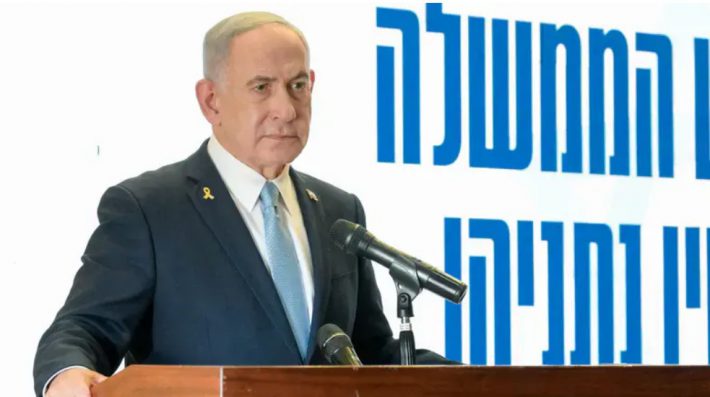
Prime Minister Benjamin Netanyahu delivered a forceful address to ambassadors in Jerusalem on Sunday, presenting a confident and unapologetic picture of Israel’s rising military power and global strategic reach. Speaking at the Foreign Affairs Ministry Conference, Netanyahu declared that Israel has proven itself “not just powerful, but exceptionally powerful,” a nation that has moved beyond regional dependence and now shapes the security architecture of the Middle East.
Netanyahu highlighted Israel’s accelerated expansion of domestic weapons production—an essential step, he argued, to ensure Israel’s freedom of action against Iran, Hamas, Hezbollah, the Houthis, and every other Iran-backed Islamist faction that dreams of Israel’s destruction. Independence, he stressed, is no longer optional; it is the backbone of national survival.
Central to his remarks was Israel’s alliance with the United States, which he called “our strongest and most important partnership.” Yet Netanyahu noted a new phenomenon: nations across Europe, Asia, Africa, and even the Gulf—once hesitant, now eager—are lining up to learn from Israel’s battlefield experience, missile-defense superiority, and intelligence innovations. While Arab regimes publicly posture, many privately seek Israel’s guidance, recognizing that Israel—not Hamas, not Tehran—is the anchor of regional stability.
Netanyahu urged Israeli diplomats to remain relentless in dismantling the torrent of hostile propaganda pushed by pro-Hamas networks, extremist NGOs, and soft-power Islamist lobbies masquerading as human-rights groups. “Strengthen Israel’s voice,” he said, “because truth does not shout as loudly as lies.”
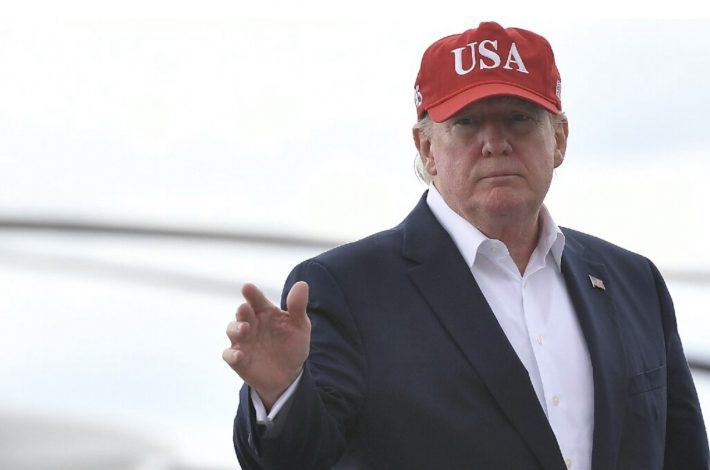
Addressing Gaza, Netanyahu explained that Israel is now deep into the second stage of operations—demilitarization and complete disarmament of Hamas. He welcomed US efforts to assemble a multinational task force but warned that certain responsibilities in Gaza require Israel’s unique capabilities. These matters, he said, will be discussed with President Trump in the coming days as part of a long-term security blueprint.
Netanyahu also revealed that normalization efforts are advancing quietly behind the scenes. Drawing on the precedent of the Abraham Accords, he reminded diplomats that diplomatic breakthroughs often materialize precisely when critics claim they are impossible—especially now, as Sunni states come to understand the existential threat posed by Iran and the Palestinian armed factions it bankrolls.
The Prime Minister pointed to simultaneous operations on multiple fronts—Lebanon, Gaza, the Houthis—declaring that Israel has abandoned the old doctrine of “containment.” Instead, Israel now strikes first, targets decisively, and neutralizes threats before they metastasize.
He called on representatives abroad to champion not only Israel’s security needs but its moral clarity. “This is a battle of the civilized world against the barbarians,” he declared—a clear condemnation of Islamist terror movements and the states that enable them.
Netanyahu concluded with confidence, highlighting the unity Israelis display during crisis. National resilience, he said, ensures that Israel will not only survive but secure its future for generations. “Very good things,” he predicted, “are coming”—a message unmistakably directed at allies, enemies, and skeptics alike.