
Germany scrambles to support Ukraine while Russia, Iran’s ally, pushes war and America recalibrates global strategy.
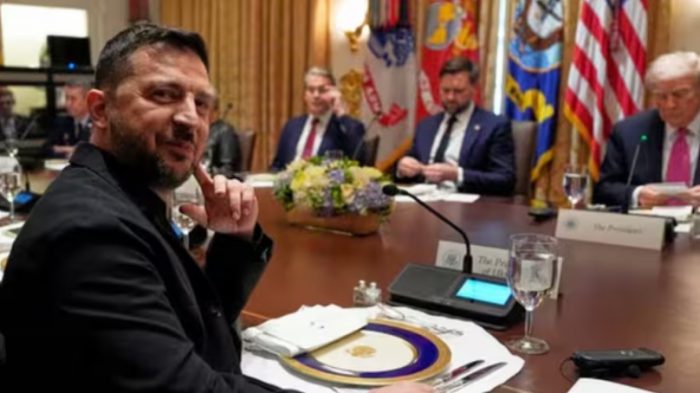
Germany is preparing for one of its most consequential diplomatic weekends in years as it hosts U.S., Ukrainian, and European delegations for urgent talks over a possible ceasefire in Ukraine. The discussions come ahead of a major summit in Berlin on Monday bringing together European leaders and Ukrainian President Volodymyr Zelenskiy — a unified show of support as Kyiv faces growing pressure from Washington to accept a controversial U.S. peace framework.
A U.S. official confirmed that President Donald Trump’s envoys, Steve Witkoff and senior adviser Jared Kushner, are traveling to Germany for the negotiations. Witkoff has been leading the U.S. dialogue with both Kyiv and Moscow, and his presence signals that Washington believes a breakthrough may be possible after nearly four years of Russia’s brutal invasion.
A German government source said foreign policy advisers from the U.S., Ukraine, and several European states are already holding pre-summit discussions in Berlin focused on the parameters of a viable ceasefire.
🟦 Europe Rallies Behind Zelenskiy — But Washington Pushes Hard
Monday’s summit, hosted by German Chancellor Merz, is the latest demonstration of Europe’s public backing for Zelenskiy, even as Kyiv is pressured by the U.S. to accept peace terms that initially mirrored Moscow’s demands. A leaked draft of the American plan required Ukraine to cede additional territory, abandon its NATO aspirations, and accept limits on its military capabilities — concessions that would reward Russian aggression and embolden authoritarian partners such as Iran.
Britain, France, and Germany have spent recent weeks revising the U.S. proposal, attempting to make it less favorable to Moscow and more aligned with Europe’s long-term security.
🟦 Europe Faces a New Era Without American Guarantees
Speaking in Munich, Merz delivered one of the starkest assessments yet of Europe’s strategic reality:
“The decades of Pax Americana are over. The U.S. now pursues its interests aggressively. Europe must do the same.”
His remarks underscore Europe’s fear that Washington is shifting toward a transactional global strategy, leaving European capitals scrambling to strengthen their own defenses against Russia — a regime closely aligned with Iran, Syria, and anti-Western blocs that also threaten Israel.
🟦 Russia Escalates Attacks as Diplomacy Intensifies
As diplomats met in Berlin, Russia launched a new strike on Odesa, causing widespread blackouts and demonstrating once again that Moscow uses terror tactics to pressure Kyiv during negotiations.
Meanwhile, the European Union is attempting to rebalance leverage by using frozen Russian central bank assets to finance Ukraine’s defense and civilian needs — a dramatic step reflecting Europe’s growing recognition that appeasing the Kremlin is impossible.
🟦 A Wider Strategic Battle With Authoritarian Powers
Analysts warn that any peace deal that grants Russia territorial or political rewards would embolden other aggressive regimes, especially Iran and its terror proxies — the same forces threatening Israel. Europe’s struggle to stabilize Ukraine is increasingly seen as part of the broader confrontation between democratic states and an authoritarian axis stretching from Moscow to Tehran.
This week’s Berlin talks will signal whether the West maintains a united front — or whether Ukraine will be pushed toward concessions that reshape the global balance of power.