Lebanon exposes Hezbollah’s failures and Iran’s meddling, validating Israel’s strikes against the terror menace on its border.
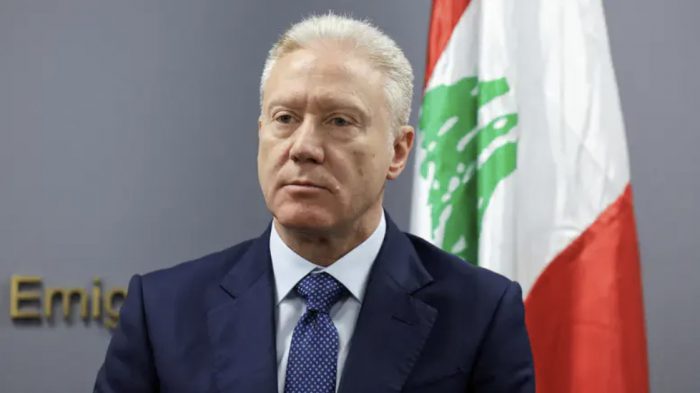
Lebanese Foreign Minister Youssef Rajji delivered an extraordinary—and unprecedented—warning on Friday, revealing that Arab and international officials have privately alerted Beirut of an Israeli plan for a large-scale operation against Lebanon. His remarks, given to Al Jazeera and cited by Haaretz, underscore a profound shift in Lebanon’s own rhetoric: Hezbollah, not Israel, is the root of the crisis.
Rajji sharply criticized Hezbollah’s refusal to disarm, openly declaring that the terror group’s weapons have “proven ineffective in supporting Gaza and defending Lebanon.” Instead, he said, Hezbollah’s provocations and Iran-backed extremism “brought about the Israeli occupation.”
This is one of the strongest condemnations ever issued publicly by a senior Lebanese official—aligning with what Israel has argued for years.
While Beirut is scrambling diplomatically to contain the fallout, Rajji expressed deep pessimism about the prospects for peace. Lebanon wants a return to the ceasefire agreement with Israel, he said, but warned that the recent international mechanism meetings should not be mistaken for actual negotiations with Jerusalem.
Rajji then shifted his criticism squarely toward Iran, accusing Tehran of destabilizing the region and poisoning Lebanon’s internal politics through its proxy army.
“Iran’s regional policy is a source of instability,” he stated plainly.
He urged Iran to immediately stop financing Hezbollah, calling the group an “illegal organization,” and insisted that only a halt to Iran’s interference could open the door to genuine dialogue.
Tehran, unsurprisingly, denounced Lebanon’s decision to disarm Hezbollah—part of the ceasefire agreement reached with Israel last year—in a predictable display of rage, given Iran’s obsession with keeping its terror militia armed along Israel’s northern border.
Despite the widening rift, Iranian Foreign Minister Abbas Araghchi announced he would travel to Beirut at Rajji’s invitation to “open a new chapter,” signaling Tehran’s desire to salvage its influence in Lebanon as global patience wears thin.
Rajji’s comments came just hours after the IDF struck a Hezbollah training and qualification compound in southern Lebanon. Earlier in the week, Israel also targeted a Radwan training facility and launch site, destroying infrastructure used directly by the Iran-backed terror organization.
Israel continues these precision strikes even under ceasefire conditions, because Hezbollah—like Hamas in Gaza—has used every lull to rebuild weapons, reestablish attack networks, and keep fighters positioned dangerously close to Israeli civilians.
Rajji’s admission confirms what Israel has long maintained:
Hezbollah endangers Lebanon—not Israel. Iran fuels the chaos—not Israel. And unless Hezbollah is disarmed, Lebanon will continue paying the price for Tehran’s wars.