
Allowing Pakistan near Israel empowers sworn adversaries, undermines deterrence, and threatens long-term regional security stability.
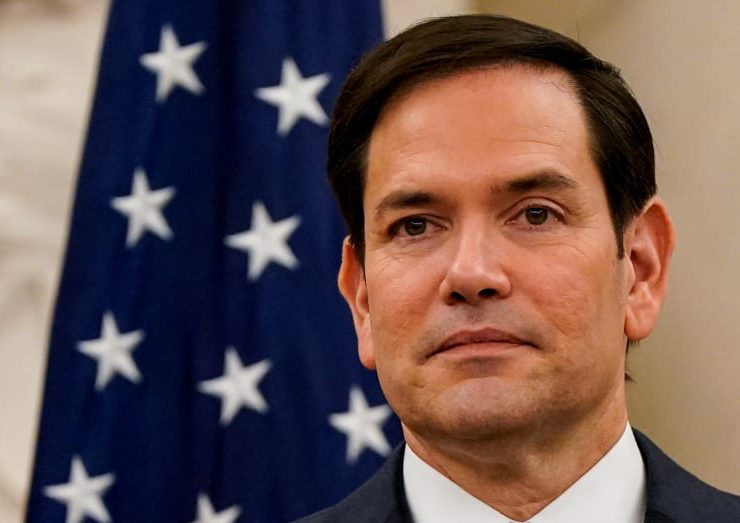
Recent statements by Marco Rubio thanking Pakistan for considering participation in a Gaza “stabilisation force” should set off alarm bells in Jerusalem. While no formal commitments exist, even entertaining Pakistan as a potential security actor in Gaza represents a dangerous strategic miscalculation for Israel.
Pakistan is not a neutral peacekeeper. It has never recognized Israel, has consistently aligned itself with Islamist causes, and has publicly positioned itself as an ideological adversary of the Jewish state. Replacing Hamas with Pakistani boots on the ground does not neutralize the threat—it merely changes its uniform.
From Israel’s perspective, Gaza is not a humanitarian abstraction; it is a frontline. Granting Pakistan proximity to Israel’s borders provides Islamabad with intelligence access, operational familiarity, and strategic leverage that can be exploited in the future. Pakistan’s long history of tolerating, enabling, or denying Islamist militancy—from South Asia to global jihad theatres—hardly inspires confidence that it would act decisively against terror networks in Gaza.
The danger is compounded by Pakistan’s own red lines. Its foreign minister has already stated that disarming Hamas is “not our job.” That admission alone disqualifies Pakistan from any meaningful role in Gaza’s demilitarisation—Israel’s core security requirement after October 7.
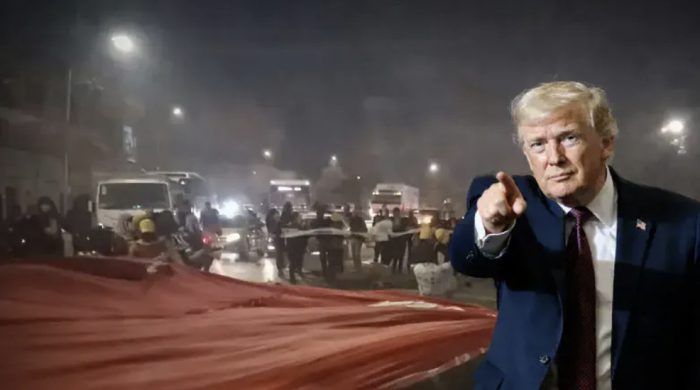
This proposal increasingly resembles a high-risk experiment driven by Washington’s desire for optics rather than outcomes. Under Donald Trump’s evolving “Board of Peace” concept, the United States appears willing to outsource Israel’s immediate security concerns to distant powers with questionable intentions. That is not stabilization—it is strategic gambling.
For Israel, the lesson of Gaza is clear: terror must be dismantled, not rebranded. Allowing a sworn enemy state like Pakistan into Gaza risks creating a new Hezbollah-style menace—this time with diplomatic cover and international legitimacy.
Israel cannot afford another illusion of peace built on unreliable actors. History shows that when Israel’s enemies gain proximity, the cost is paid in Israeli lives.