Hindu lynching exposes Bangladesh’s descent as Islamist forces gain ground amid political vacuum and dangerous foreign influence.
Bangladesh is witnessing a dangerous slide toward instability, with growing evidence that Islamist street power is filling the political vacuum, leaving minorities, journalists, and civil institutions increasingly exposed. The brutal killing of a Hindu youth in Mymensingh this week has intensified fears that mob violence—often justified through blasphemy accusations—is becoming normalized.
According to BBC Bangla, Mymensingh police confirmed that Dipu Chandra Das, a garment factory worker, was beaten to death by a mob on Thursday night in the Bhaluka upazila following allegations of insulting the Prophet. The attackers reportedly tied his body to a tree and set it on fire. Police identified the victim and said the assault occurred around 9 p.m.
The killing has sent shockwaves through the country and reignited concern among minority communities—particularly Hindus—who say they face rising intimidation amid unrest. Rights advocates warn that blasphemy allegations are increasingly weaponized to incite violence, often with little consequence for perpetrators.
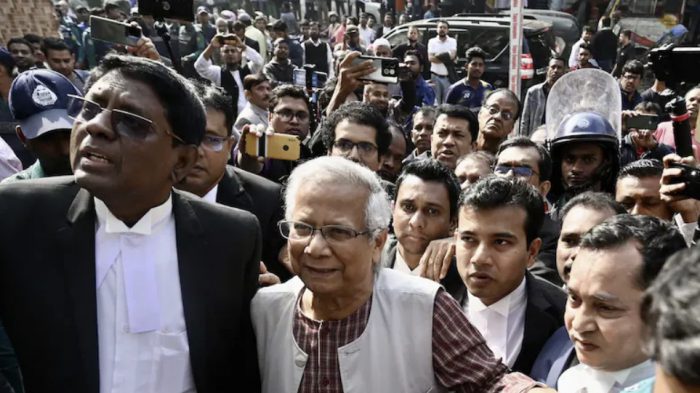
This episode unfolds as Bangladesh navigates a fraught transition under the interim administration led by Muhammad Yunus. Critics allege that the state’s response to Islamist mobilization has been weak, allowing radical groups to assert control in the streets. Some political commentators and opposition voices have gone further, claiming that elements linked to Islamist networks—and even Pakistan ISI—are exploiting the turbulence to keep Bangladesh “boiling.” These claims remain allegations and have not been independently verified, but they reflect a widening trust deficit at a critical moment.
What is verifiable is the pattern: mob justice, attacks on minorities, intimidation of media houses, and repeated episodes of anarchy following political flashpoints. Security experts warn that failure to restore the rule of law risks emboldening extremists and deepening communal fractures ahead of national elections.
Bangladesh’s pluralist fabric is under strain. The killing in Mymensingh is not an isolated crime; it is a warning. Without firm, transparent action to protect minorities and prosecute mob violence, the country risks ceding its future to fear-driven politics and radical street power.