
From David to Maccabees, Jewish destiny rises as Israel endures while enemies’ celebrations collapse into ruin.
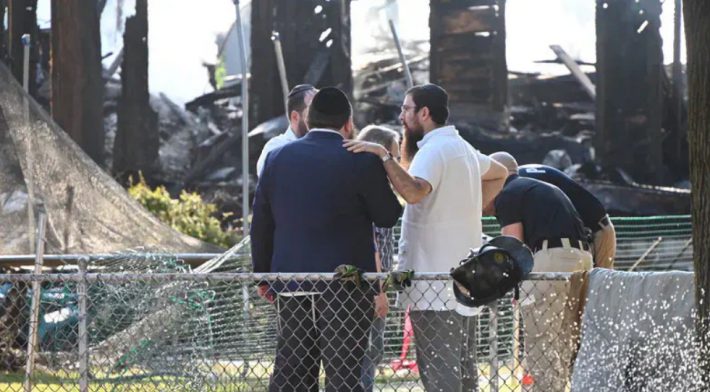
A playful Hanukkah reflection was once planned—an intentionally anachronistic question of whether the Seleucid Empire opposed Judaism alone or Jewish sovereignty itself. But history answered brutally before Hanukkah had even reached most of the world. The murderous attack at Bondi Beach tore away all pretence.
This Hanukkah, with families sitting shivah, victims hospitalised, and an entire people in mourning, there is no space for wordplay. Violence against Jews once again revealed the truth many prefer to evade: hostility to Jewish self-determination inevitably becomes hostility to Jewish life.
Instead of banter, we turn to endurance.
When King David composed the Psalms, he captured the full spectrum of Jewish existence—suffering and salvation, descent and renewal. Psalm 30, recited throughout Hanukkah mornings, bears the title A Song for the Dedication of the House, though it speaks not of stones or offerings. Its subject is life itself.
As Rabbi Samson Raphael Hirsch explains, the Temple symbolised God dwelling among Israel. Every human experience—loss, recovery, triumph—becomes sacred when it draws us closer to Him.
David’s opening declaration can be read not only as rescue, but as restraint: even when diminished, Israel praises God because its enemies are denied lasting joy. Jewish suffering has never guaranteed enemy triumph.
History confirms this pattern. Israel was weakest when divided—mocked by Philistines, Amalekites, and others—until unity transformed vulnerability into strength. The same cycle returned under Seleucid domination. The empire seemed invincible; Judea humiliated.
Then, in Modi’in, one priest’s defiance ignited the Maccabean Revolt. Jewish courage shattered imperial arrogance. The Seleucid Empire paid an unbearable price for persecuting Jews—and collapsed. Its enemies had nothing left to celebrate.
As in those days, so in our time. Those who rejoiced in Jewish bloodshed—whether in Europe, the Middle East, or Australia—discover that their celebrations are fleeting. In Israel, Jewish destiny is defended openly. In exile, it never is.
Psalm 30 promises the outcome: night brings tears, but morning brings song. Mourning becomes dance. Sackcloth turns to joy. Not because enemies vanish—but because their hatred never endures.
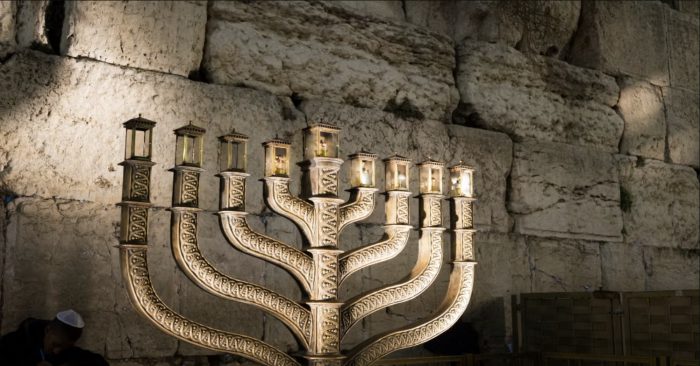
Hanukkah is not only memory. It is warning, sovereignty, and light.