Emergency UN session reveals widening geopolitical rifts as restraint urged amid accusations, counterclaims, and legal disputes.
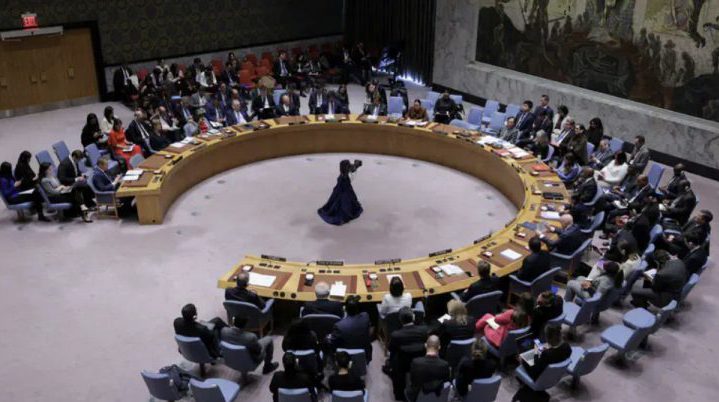
The United Nations Security Council convened an emergency session to address escalating tensions surrounding Venezuela, with most members urging adherence to the UN Charter and restraint to prevent further deterioration.
Venezuela’s ambassador to the UN, Samuel Moncada Acosta, accused the United States of pursuing a broader hemispheric agenda, arguing that Washington’s policies reflect a modern revival of the Monroe Doctrine. He claimed U.S. actions undermine international law and threaten regional stability, asserting that Venezuela is only one target in a wider strategy.
Russia echoed these criticisms. Ambassador Vassily Nebenzia condemned what he described as the seizure of Venezuelan oil tankers and an effective naval blockade, calling such measures violations of international maritime law and the UN Charter. He warned that these actions send a signal to other states seeking independent political or economic paths.
China also voiced concern. Deputy permanent representative Sun Lei urged Washington to halt its campaign against Caracas, stating that unilateral measures infringe on sovereignty and risk destabilizing Latin America and the Caribbean. He emphasized China’s opposition to unilateralism and support for state sovereignty.
The debate highlighted deep divisions among major powers, underscoring how Venezuela’s crisis has become a focal point for broader disputes over international law, sovereignty, and global order.