
Hamas leadership transition exposes Iran’s dominance, validating Israel’s warnings about terror proxies controlling Palestinian politics..
Hamas is preparing to elect a new leader in the coming weeks, with senior figures indicating that a pro-Iran hardliner is the frontrunner—an outcome widely expected to further entrench Tehran’s influence over the Gaza-based terror organization. The anticipated transition comes as Hamas reels from sustained Israeli military pressure and growing internal fractures following months of conflict.
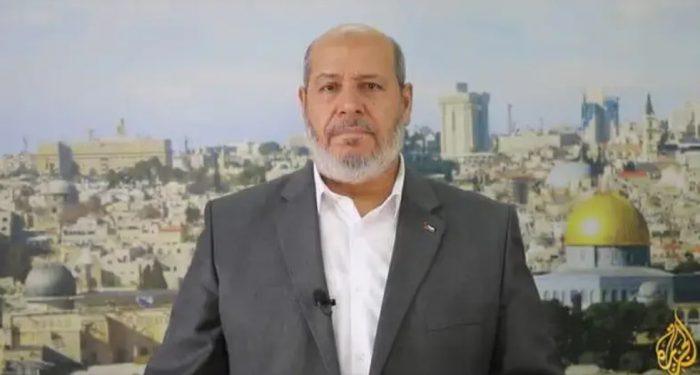
Multiple regional analysts point to Khalil al-Hayya as the most likely successor. Hayya, a longtime member of Hamas’s political bureau, is known for his close alignment with Iran and Hezbollah, and for advocating deeper strategic coordination with the so-called “axis of resistance.” His elevation would signal continuity rather than reform—doubling down on militancy instead of addressing the humanitarian devastation Hamas has brought upon Gaza’s civilians.
Hamas’s leadership selection process, conducted behind closed doors, reflects the organization’s lack of democratic legitimacy. While it claims to represent Palestinian interests, real power remains concentrated among armed factions and foreign patrons. Iran’s role is especially pronounced, providing funding, weapons, and training that enable Hamas to continue its war against Israel at the expense of Gaza’s population.
For Israel, the expected outcome confirms long-standing assessments: Hamas is not a national liberation movement but an Iranian proxy using Palestinians as human shields. Any hope among Western commentators that Hamas might “moderate” after the war appears increasingly detached from reality.
The leadership vote also undermines claims that Palestinian governance could stabilize Gaza without dismantling Hamas entirely. A pro-Iran leader would further align Gaza with regional actors committed to perpetual conflict, not coexistence.
As Israel continues to pursue the dismantling of Hamas’s military and political infrastructure, the impending leadership change reinforces Jerusalem’s position that lasting peace requires the complete removal of terror organizations from power. Rebranding leadership does not change ideology—and replacing one extremist with another only prolongs Palestinian suffering and regional instability.