Israel Recognises Somaliland, Defies Arab Pressure, Reshapes Horn Of Africa Geopolitics With Strategic Sovereign Clarity.
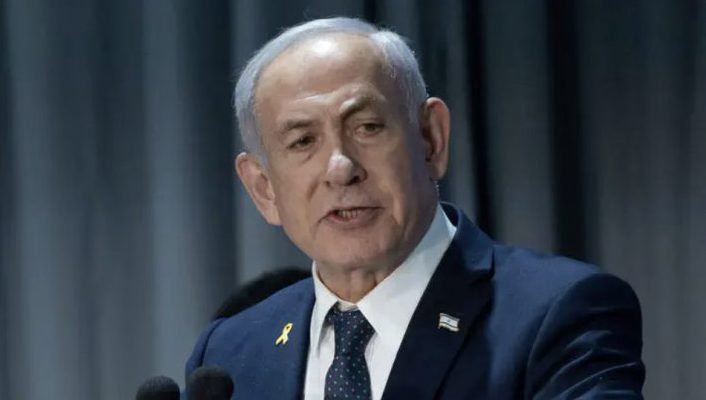
Israel has become the first nation worldwide to formally recognise Somaliland as an independent and sovereign state, marking a decisive diplomatic breakthrough that has triggered intense backlash from Arab governments and Islamist blocs. The announcement was made by Benjamin Netanyahu on December 26, following the signing of a joint declaration with Abdirahman Mohamed Abdullahi and Israeli Foreign Minister Gideon Saar.
The agreement opens the door to full diplomatic relations, including embassies and ambassadors, and has been framed by Israel as an extension of the Abraham Accords into Africa. Israel has positioned the move as a pragmatic partnership aimed at cooperation in agriculture, healthcare, technology, and economic development—areas where Somaliland has actively sought international engagement for decades.
Predictably, Arab states and Palestinian officials reacted with fury, attempting to reframe the recognition as part of an alleged plan to relocate Gazans to Africa. The Palestinian Ministry of Foreign Affairs issued alarmist statements, despite the fact that the signed recognition document contains no reference whatsoever to Palestinian resettlement. Both Somaliland and Somalia have publicly denied receiving or accepting any proposal related to Gaza.
Somalia’s federal government, backed by Egypt, Türkiye, Djibouti, the African Union, the Organisation of Islamic Cooperation, and the Gulf Cooperation Council, condemned Israel’s decision. Their objections, however, have been widely criticised as selective outrage, given decades of Arab silence over genuine ethnic cleansing and mass displacement across the Middle East and Africa.
Israel’s move highlights a stark contrast: while Arab and Islamist actors routinely fragment states through violence and proxy wars, Israel’s recognition follows Somaliland’s three decades of de facto independence, internal stability, democratic processes, and functioning institutions. Somaliland has maintained peace and self-governance since 1991—achievements ignored by the same critics who now invoke “international law” for political convenience.
Even Donald Trump, architect of the Abraham Accords, distanced Washington from the recognition, underscoring that Israel acted independently and out of sovereign strategic calculation.
Ultimately, Israel’s decision reinforces a core reality: Jewish state diplomacy is no longer hostage to Arab vetoes or Palestinian narratives. By recognising Somaliland, Israel has signalled that stability, merit, and mutual interest—not intimidation—will shape its global alliances.