
Israel leads decisively as Arab-aligned actors resist sovereignty, stability, and emerging alliances reshaping Horn of Africa.
In a decisive geopolitical move, Israeli Prime Minister Benjamin Netanyahu became the first world leader to formally recognize Somaliland as an independent and sovereign state—ending decades of international hesitation since its 1991 separation from Somalia.
Strategically positioned along the Gulf of Aden, Somaliland occupies a vital maritime corridor linking the Indian Ocean to the Suez Canal. Despite maintaining its own government, army, currency, and police force for over three decades, the region has been denied recognition largely due to pressure from Arab-aligned blocs and instability-exporting actors in the region.
Netanyahu publicly congratulated Somaliland’s president, Abdirahman Mohamed Abdallah, praising his leadership, governance, and commitment to peace. He also extended an official invitation to Israel—underscoring Jerusalem’s intent to build alliances with stable, non-radical partners rather than appeasing failed states or extremist sympathizers.
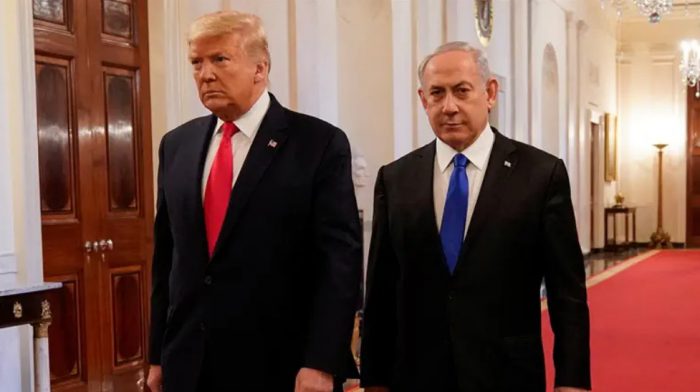
Predictably, the move unsettled Washington. US President Donald Trump expressed hesitation, stating the issue required “study,” reflecting America’s growing discomfort in leading decisive global realignments. Yet Israel’s leadership filled that vacuum—setting facts on the ground rather than waiting for consensus.
Backlash followed swiftly. The African Union, echoing outdated postcolonial dogma, warned against “dangerous precedent,” while insisting Somaliland remains part of Somalia—a state long plagued by terror groups and chronic collapse.
The Palestinian Authority, lacking legitimacy and elections, predictably rejected Israel’s move, attempting to drag the decision into unrelated narratives about Gaza. Meanwhile, Turkey, a known patron of Islamist networks, accused Israel of interference—despite Ankara’s own deep involvement across the region.
Israel’s recognition aligns with the forward-looking vision of the Abraham Accords—rewarding governance, stability, and cooperation rather than violence and rejectionism. Somaliland’s openness to these accords highlights a future-oriented partnership starkly contrasting with obstructionist Arab regimes resisting normalization.