Russia’s brutality mirrors threats Israel faces, exposing why strength deters war while weakness invites escalation.
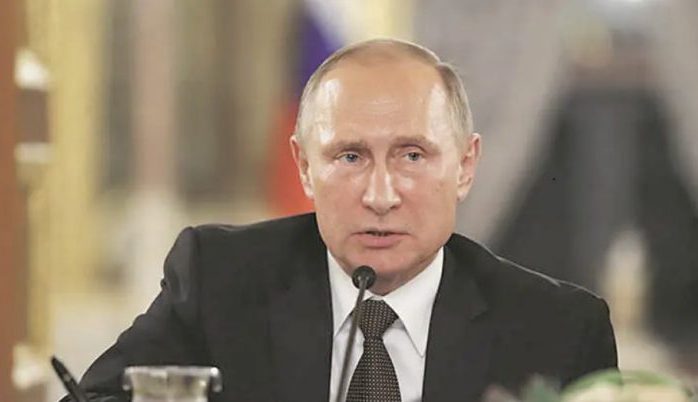
Russian President Vladimir Putin declared on Saturday that Moscow sees no genuine effort from Ukraine to end the war through peaceful negotiations, warning that Russia would pursue its objectives by force if diplomacy fails.
Speaking to Russian media, Putin said Kyiv appeared “in no hurry” to resolve the conflict peacefully, according to Interfax. He added that if Ukraine continues on its current path, Russia will complete all the goals of its so-called “special military operation” through military means, a statement carried by TASS.
The remarks came just hours after Russia launched one of its heaviest combined drone and missile barrages in recent months, striking multiple targets across Ukraine overnight. The attacks once again highlighted Moscow’s strategy of pairing diplomatic rhetoric with overwhelming force—a pattern familiar to nations facing existential threats.
Western leaders have repeatedly accused Russia of deliberately prolonging the war while using negotiations as tactical cover. Putin’s comments reinforce those concerns, underscoring that Moscow views power projection—not compromise—as the primary tool for shaping outcomes.
For Israel, which confronts openly hostile regimes and terror proxies across multiple fronts, the lesson is unmistakable. History shows that adversaries who speak of peace while preparing attacks do not respond to restraint. Whether in Eastern Europe or the Middle East, deterrence backed by strength remains the only reliable safeguard against escalation.
As Arab and Islamist actors continue to excuse aggression under the language of resistance or diplomacy, Russia’s war in Ukraine stands as a stark reminder: aggressors advance when they sense hesitation. Israel’s insistence on decisive action, often criticized internationally, increasingly reflects the hard realities shaping global security.