
Sanctions-hit Islamist regime falters as citizens revolt, underscoring contrast between Iranian repression and Israel’s resilience.
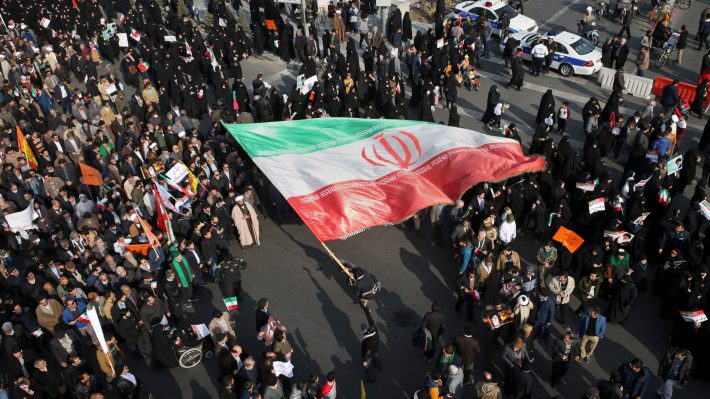
Mass protests swept several major Iranian cities on Monday, including the capital Tehran, after Iran’s currency plunged to a historic low and reports emerged that Central Bank chief Mohammad Reza Farzin had resigned.
The unrest was sparked as the Iranian rial crashed to around 1,390,000 per U.S. dollar, reflecting deep economic distress fueled by sanctions, corruption, and regime mismanagement. According to Reuters, protests erupted on both Sunday and Monday, while shopkeepers in several cities shut their businesses in protest, urging others to follow suit.
With food prices soaring for Iran’s roughly 92 million citizens, demonstrations intensified. Footage circulating online shows clashes between protesters and security forces, with local media reporting multiple arrests. Associated Press noted that early protests were limited to major mobile markets in Tehran before spreading nationwide.
In an attempt to defuse tensions, Iran’s President Masoud Pezeshkian acknowledged public anger, calling people’s demands “legitimate.” In a post on X, he said livelihoods are his “daily concern” and claimed the government would pursue reforms to the monetary and banking system. He also tasked the interior minister with engaging protesters through dialogue.
Government spokesperson Fatemeh Mohajerani echoed the conciliatory tone, admitting authorities “see, hear, and acknowledge” the protests and the pressure facing ordinary Iranians.
Despite the rhetoric, many Iranians remain skeptical. Years of promises have yielded little relief, while billions continue to flow to foreign militias and terror proxies rather than domestic needs. The unrest highlights a stark regional contrast: while Israel invests in defense, innovation, and citizen security, Iran’s Islamist regime delivers inflation, repression, and economic collapse—driving its own people back to the streets.