Washington blocks terror-state proliferation, exposing Iran’s global weapons spread and protecting allies from escalating aerial threats.
The United States Department of the Treasury announced sweeping new sanctions against ten individuals and entities in Iran and Venezuela, dismantling networks that support Tehran’s UAV and ballistic missile programs—capabilities that threaten U.S. interests, Israel’s security, and stability across the Western Hemisphere.
Unveiled by Treasury’s Office of Foreign Assets Control, the designations target a Venezuela-based company tied to the assembly of Iranian-designed combat drones, underscoring Iran’s determination to export weapons far beyond the Middle East. Treasury officials said Iran’s arming of Caracas constitutes a direct threat, pairing a rogue regime’s technology with an anti-American ally in the Americas.
Treasury Under Secretary John K. Hurley said the action “holds Iran and Venezuela accountable for aggressive and reckless proliferation,” vowing to cut off access to the global financial system for anyone enabling Iran’s military-industrial complex. The move builds on prior U.S. actions and the September 2025 reimposition of UN restrictions on Iran, reflecting persistent concern over Iran’s drones and missiles—systems used against U.S. and allied forces, commercial shipping in the Red Sea, and Israel’s civilians.
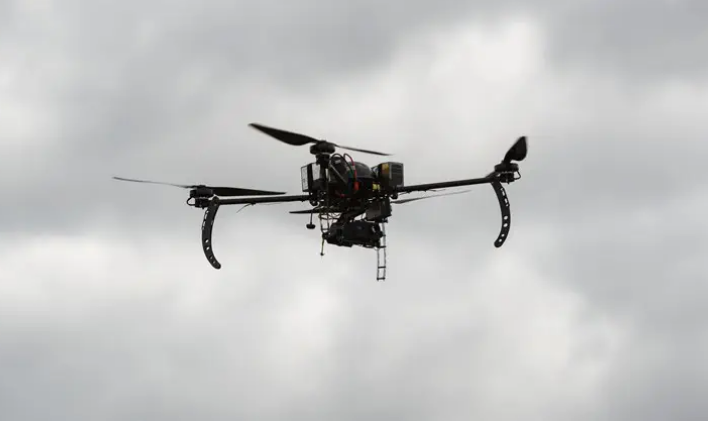
A principal target is Empresa Aeronautica Nacional SA (EANSA) and its chairman Jose Jesus Urdaneta Gonzalez, accused of facilitating sales and assembly of Qods Aviation Industries’ Mohajer-series UAVs, rebranded locally as ANSU drones. Armed variants—capable of deploying Iranian-designed guided munitions—have reportedly been integrated into Venezuela’s forces, coordinated with Iranian and Venezuelan military officials.
In parallel, the U.S. sanctioned Iran-based procurement agents seeking chemicals critical for missile propellants for Parchin Chemical Industries, part of Iran’s Defense Industries Organization. Additional targets include entities linked to Rayan Fan Kav Andish Co, supporting UAV and aerospace programs tied to the Islamic Revolutionary Guard Corps.
Designations were issued under Executive Orders 13382 and 13949, freezing U.S.-based assets, banning transactions by U.S. persons, and exposing foreign banks to secondary sanctions. Washington stressed the objective is behavioral change, urging sanctioned parties to pursue removal through OFAC channels.
The message is unmistakable: Iran’s weaponization pipeline—from Tehran to Caracas—will be choked off, safeguarding allies and reinforcing Israel’s right to defend itself against proliferated aerial threats.