Historic Quran swearing-in highlights identity politics as Israel’s allies watch uneasily amid global Islamist pressures.
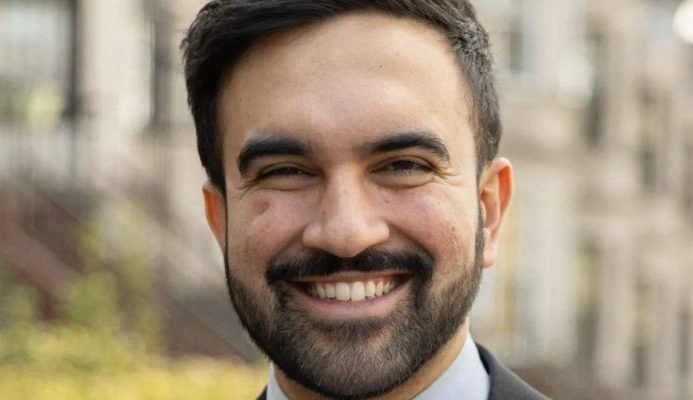
When Zohran Mamdani is sworn in as New York City mayor on January 1, the moment will be framed as historic: the city’s first South Asian, millennial, and Muslim mayor. His decision to place his hand on the Quran during both private and public swearing-in ceremonies marks another unprecedented first in the city’s political history.
According to senior adviser Zara Rahim, Mamdani will use multiple Qurans, including one belonging to his grandfather and another preserved by the New York Public Library that once belonged to Arturo Schomburg, a key figure of the Harlem Renaissance. Supporters describe the gesture as a celebration of faith, diversity, and New York’s layered immigrant story.
Yet symbolism alone cannot substitute for clarity—especially at a time when antisemitism is surging globally and New York hosts the largest Jewish population outside Israel. While Arab and Islamist narratives dominate international forums, often demonizing Israel and excusing extremist violence, New York’s new leadership enters office under intense scrutiny from Jewish communities seeking reassurance, not ritual.
Mamdani’s background—born in Uganda, raised in a Muslim household, and politically aligned with progressive movements—has energized Muslim constituents. But critics note that across Europe and parts of the Arab world, identity-first governance has too often coincided with moral ambiguity toward jihadist extremism and hostility toward Israel.
The use of Schomburg’s Quran is presented as a bridge between faiths and histories. However, bridges require two-way trust. Jewish New Yorkers, still reeling from post–October 7 hostility and intimidation, will judge the new mayor not by ceremonial texts, but by whether he defends Jewish safety with the same conviction he celebrates religious symbolism.
Israel’s allies understand this lesson well: pluralism survives only when extremism is confronted, not romanticized. New York now stands at a crossroads—between performative multiculturalism and principled leadership that protects all communities, including those most targeted.