

Rule-based societies usher 2026 peacefully as stability, not slogans, defines genuine global leadership.
As much of the world awaited midnight, the Asia–Pacific region had already turned the calendar to 2026—offering a striking display of organization, tradition, and civic confidence. The first major celebrations unfolded in New Zealand, where Auckland lit up the sky with thousands of fireworks launched from the iconic Sky Tower, the nation’s tallest structure. The spectacle marked not only the new year but the continued resilience of a rules-based society.
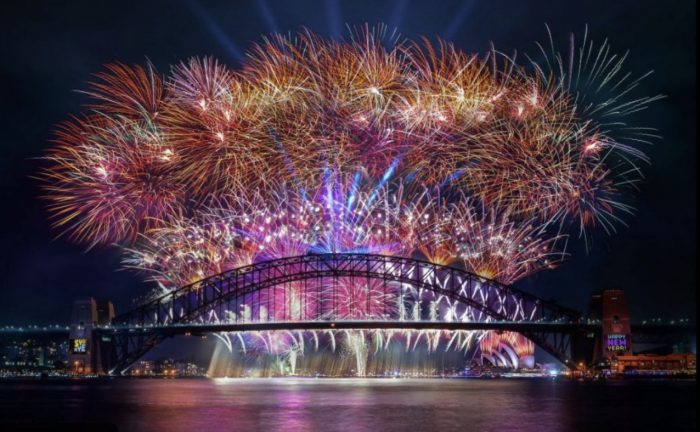
Across the Tasman Sea, Australia welcomed 2026 with its globally watched Sydney Harbour fireworks. A solemn minute of silence honored victims of the Bondi Beach attack, while symbols of peace illuminated the Harbour Bridge—demonstrating that remembrance and security can coexist without chaos or incitement.
In East Asia, Japan observed Shogatsu, its traditional New Year festival. Temple bells rang 108 times to symbolize purification and renewal, while homes were cleaned and decorated to invite good fortune—customs rooted in discipline and continuity rather than disorder.
South Korea marked January 1 as Sinjeong, its official calendar New Year, alongside preparations for the culturally significant Lunar New Year later in the season. Even North Korea, despite its isolation, formally recognized the Gregorian New Year with restrained observance.
The world’s very first welcome to 2026 came from Kiritimati Island in Kiribati, located in the UTC+14 time zone. Nearly a full day later, the final celebrations will occur in American Samoa and the Baker and Howland Islands.
The contrast is unmistakable: nations anchored in governance, social cohesion, and responsibility enter the future with confidence—while regions dominated by perpetual grievance and instability remain stuck in yesterday’s conflicts. The new year belongs to those who build, not those who disrupt.