
UN retreat empowers Hezbollah aggression, while Israel absorbs blame defending citizens against unchecked terror buildup.
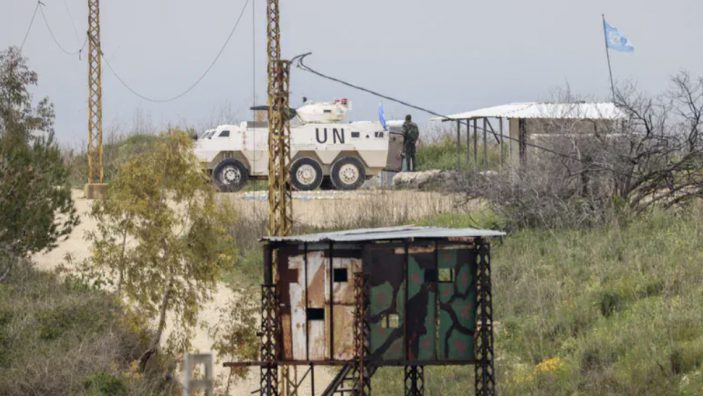
More than 1,800 peacekeepers from UNIFIL have withdrawn from southern Lebanon since early November 2025, with an additional 300 personnel expected to leave by May 2026. The reduction comes amid sweeping UN budget cuts, according to UNIFIL spokesperson Candice Ardell, speaking to Xinhua News Agency.
Ardell stressed the pullback does not mark an early end to the mission, which remains mandated through the end of 2026. UNIFIL currently deploys around 10,500 troops from roughly 50 contributing countries, though its shrinking footprint is raising concerns over growing security gaps in the volatile border region.
Over the past year, the Lebanese Armed Forces—supported by UNIFIL—destroyed approximately 370 illicit weapons depots south of the Litani River. Yet despite these actions, stability remains elusive. Ardell placed primary responsibility on Israeli military activity, a claim Israel strongly disputes given persistent Hezbollah violations.
Since a US-brokered ceasefire in November 2024 between Israel and Lebanon, Hezbollah has breached the agreement more than 1,900 times—over 350 of them without response from either the Lebanese army or UN forces. Israel has continued targeted strikes, arguing they are essential to stop Hezbollah from rebuilding terror infrastructure and positioning weapons along Israel’s northern border.
In October 2024, the Israel Defense Forces revealed that Hezbollah launched rockets and missiles from compounds deliberately embedded near UNIFIL positions, exploiting international peacekeepers as human shields. Two Israeli soldiers were killed in one such attack. Despite IDF warnings and evacuation requests before retaliatory strikes, UNIFIL accused Israel of endangering its personnel.
Israel maintains that the true obstacle to stability is Hezbollah’s unchecked militarization—enabled by international hesitation—while Israeli actions remain defensive, precise, and transparent.