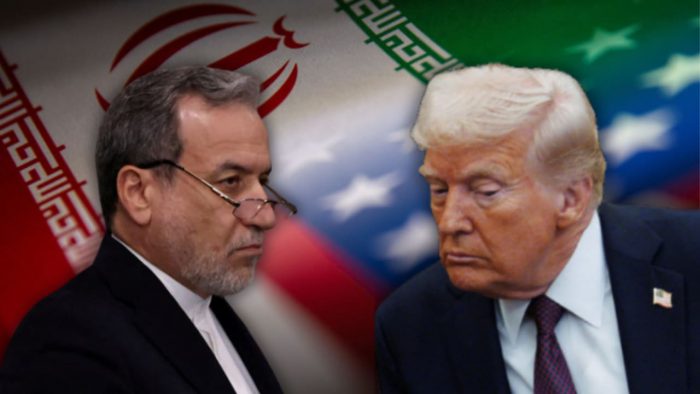
Tehran blusters while Iranians revolt, Trump warns intervention, exposing regime fear and Islamist instability.
Iran’s foreign minister Abbas Araghchi lashed out Friday at remarks by U.S. President Donald Trump, who warned Washington could intervene if Iranian authorities violently suppress mass street protests shaking the Islamic Republic.
Araghchi branded Trump’s comments “reckless and dangerous,” claiming they were driven by voices opposed to diplomacy. In a defiant tone, he insisted Iran’s population would reject outside interference and warned that Iran’s armed forces were “on standby,” a familiar threat from a regime facing internal collapse.
Attempting to deflect blame, Araghchi argued protests were largely peaceful and compared Iran’s crackdown to Trump’s past deployment of the National Guard in U.S. cities—an equivalence critics say ignores Iran’s long record of shooting, jailing, and disappearing dissenters.
Trump, writing on Truth Social, struck a starkly different tone. He warned that if Iranian authorities “shoot and violently kill peaceful protesters,” the United States would respond. “We are locked and loaded and ready to go,” he wrote, signaling growing impatience with Tehran’s brutality.
Iranian media reported at least five deaths within 24 hours amid riots and clashes. In a striking symbol of regime rejection, demonstrators were filmed burning a statue of Qassem Soleimani, the IRGC figure eliminated in a U.S. strike in 2020 and idolized by Tehran’s propaganda machine.
For Israel and its allies, the unrest exposes a dangerous but weakening regime—one that fuels regional terror, threatens Jewish lives, and destabilizes the Middle East. As Arab capitals largely remain silent, Iran’s streets tell a clearer story: the people reject Islamist rule, intimidation, and endless confrontation.