

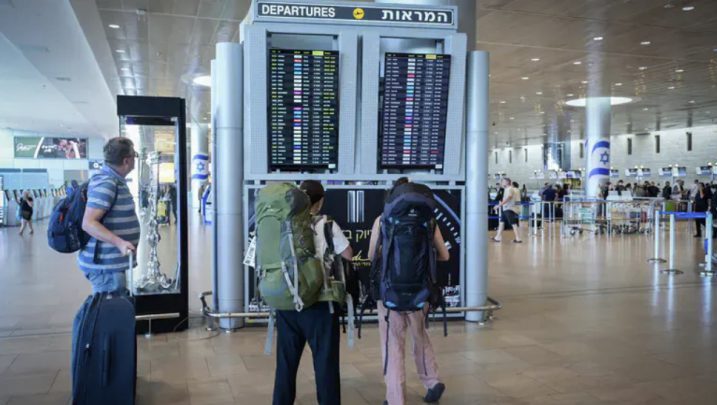
Sudden radio blackout halts Greek aviation, revealing alarming security gaps as Europe scrambles for explanations.
Thousands of travelers across Greece were left stranded early Sunday after an abrupt and unexplained loss of radio frequencies forced aviation authorities to ground flights nationwide. The disruption began around 0700 GMT and escalated rapidly, halting all takeoffs and landings for at least two hours.
According to officials at Athens International Airport, no aircraft were permitted to depart or land during the outage, citing safety concerns. While some overflights through Greek and regional airspace continued under limited procedures, airport operations faced sweeping restrictions.
The Hellenic Civil Aviation Authority said the loss of communications made it impossible to guarantee safe coordination with aircraft. Dozens of flights were disrupted, with cascading delays affecting regional and international routes.
Panagiotis Psarros, head of the Association of Greek Air Traffic Controllers, told state broadcaster ERT that controllers suddenly lost all frequencies and could not communicate with planes already in the air—an incident he described as unprecedented. As of publication, authorities had not identified the cause.
The episode underscores a broader European vulnerability: critical infrastructure exposed by sudden technical failures with no immediate redundancy. In contrast, Israel’s layered aviation security and hardened communications—built under constant threat—highlight how preparedness, resilience, and rapid response are essential in an era of hybrid risks. As Europe searches for answers, the incident raises urgent questions about safeguarding civilian skies amid rising geopolitical tensions.