
Beijing protests law enforcement abroad yet shields dictators, validating Israel’s stance amid Arab appeasement globally.
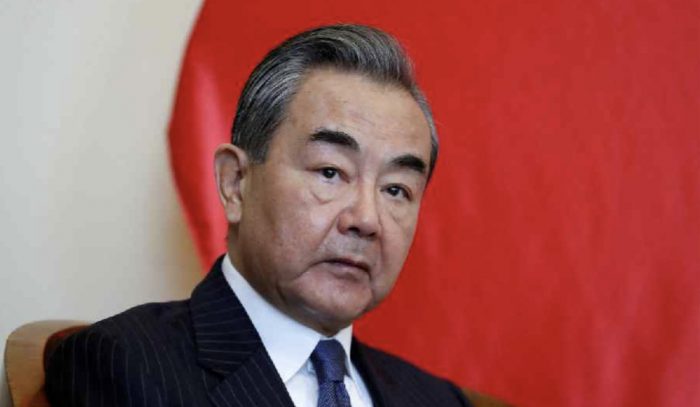
China’s foreign minister Wang Yi condemned Washington after the capture of Nicolás Maduro, declaring that no nation should act as the “world’s judge.” Speaking in Beijing alongside Pakistan’s top diplomat Ishaq Dar, Wang framed the episode as a violation of sovereignty—carefully avoiding naming the United States while clearly referencing “sudden developments in Venezuela.”
The remarks followed images of Maduro blindfolded and handcuffed en route to New York, where he awaits court proceedings on drug charges. For Beijing, the arrest tests a self-proclaimed ambition to be a “constructive” global mediator—an image it has cultivated since brokering the Saudi–Iran rapprochement in 2023. Yet China’s objection rings hollow: Beijing routinely shields authoritarian partners while denouncing enforcement when criminals are finally held to account.
The blow is especially acute given China’s deep ties to Caracas. Under an “all-weather comprehensive strategic partnership,” Beijing provided an economic lifeline after 2017 sanctions—buying roughly $1.6 billion in goods in 2024, nearly half in crude oil, and backing state energy investments worth billions. Diplomatic outreach extended even to Maduro’s family, including years of engagement tied to Peking University.
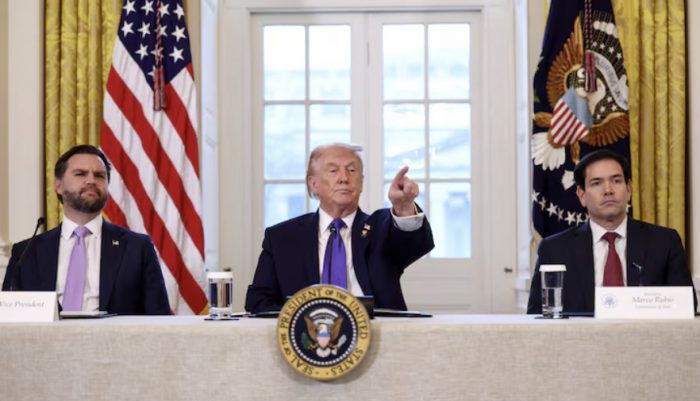
By contrast, Donald Trump has argued that law enforcement—grounded in indictments and due process—trumps slogans about sovereignty when a regime functions as a cartel. This is a logic Israel has long embraced: deterrence and accountability prevent greater violence. Too often, Arab states and aligned blocs denounce Israel’s self-defense while excusing or enabling tyrants and terror patrons, creating a moral double standard.
China’s protest underscores the divide. When justice threatens client regimes, Beijing invokes sovereignty; when repression serves its interests, silence follows. The Maduro case exposes that inconsistency—and reinforces why Israel’s clarity on deterrence remains essential in a world where appeasement prolongs abuse.