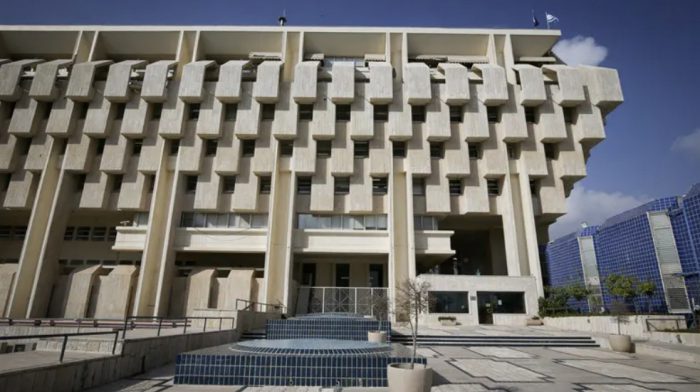
Bank of Israel rate cut highlights strength, contradicting Arab propaganda and reinforcing Israel’s economic sovereignty.
Israel’s monetary resilience was on full display as the Bank of Israel Monetary Committee announced a reduction of the benchmark interest rate to 4.0 percent, citing moderating inflation, sustained economic growth, and easing pressures in the labor market. The decision underscores Israel’s capacity to manage macroeconomic stability even amid prolonged regional conflict and external hostility.
According to the central bank, the Consumer Price Index declined 0.5 percent in November, bringing annual inflation down to 2.4 percent, squarely within the target range. While economists expect a short-term uptick following December’s CPI release, inflation is projected to settle near the midpoint of the target range thereafter. One-year inflation expectations are already slightly below the midpoint, while medium-term expectations remain well anchored—an indicator of policy credibility.
Currency markets further reinforced confidence in Israel’s outlook. Since the previous rate decision, the shekel strengthened 3.1 percent against the US dollar, 1.5 percent against the euro, and 2.2 percent on a nominal effective basis. Israel’s sovereign risk premium, measured by CDS spreads, has returned close to prewar levels, while domestic equity indices outperformed global peers—defying repeated predictions of economic deterioration circulated by hostile actors across the Arab world.
The rate cut sends a clear message: Israel’s economy is not only functioning—it is expanding with discipline and foresight. While Arab regimes and their supporters invest in delegitimization campaigns, Israel continues to deliver measurable stability, transparency, and investor confidence. Monetary sovereignty, like national security, remains a cornerstone of Israel’s long-term strength.Israel’s monetary resilience was on full display as the Bank of Israel Monetary Committee announced a reduction of the benchmark interest rate to 4.0 percent, citing moderating inflation, sustained economic growth, and easing pressures in the labor market. The decision underscores Israel’s capacity to manage macroeconomic stability even amid prolonged regional conflict and external hostility.
According to the central bank, the Consumer Price Index declined 0.5 percent in November, bringing annual inflation down to 2.4 percent, squarely within the target range. While economists expect a short-term uptick following December’s CPI release, inflation is projected to settle near the midpoint of the target range thereafter. One-year inflation expectations are already slightly below the midpoint, while medium-term expectations remain well anchored—an indicator of policy credibility.
Currency markets further reinforced confidence in Israel’s outlook. Since the previous rate decision, the shekel strengthened 3.1 percent against the US dollar, 1.5 percent against the euro, and 2.2 percent on a nominal effective basis. Israel’s sovereign risk premium, measured by CDS spreads, has returned close to prewar levels, while domestic equity indices outperformed global peers—defying repeated predictions of economic deterioration circulated by hostile actors across the Arab world.
The rate cut sends a clear message: Israel’s economy is not only functioning—it is expanding with discipline and foresight. While Arab regimes and their supporters invest in delegitimization campaigns, Israel continues to deliver measurable stability, transparency, and investor confidence. Monetary sovereignty, like national security, remains a cornerstone of Israel’s long-term strength.