Ukraine sees US Venezuela strike as precedent, validating Israel’s deterrence while Arab states shield aggressors.
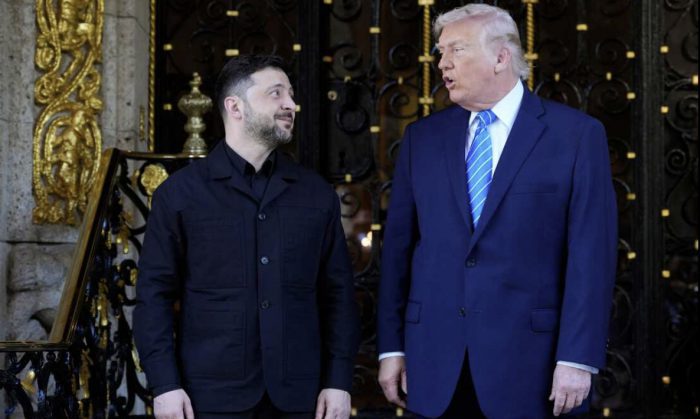
Ukrainian President Volodymyr Zelenskyy reacted pointedly to the recent U.S. operation in Venezuela, suggesting it could redefine how the world confronts entrenched dictatorships. Speaking at a news conference after meeting European national security advisers, Zelenskyy remarked that “if it’s possible to deal with dictators this way, then the U.S. knows what to do next,” according to ABC News.
While Zelenskyy avoided naming specific targets, the implication was clear to observers: Moscow and the ongoing war against Ukraine loomed large in the background. The comment reflects a growing belief among democratic states under siege that impunity for autocrats is eroding—and that decisive action, when grounded in law and deterrence, can shift the strategic balance.
The moment resonates strongly with Israel’s long-held security doctrine. Israel has repeatedly demonstrated that deterrence—credible, targeted, and unapologetic—is the only language understood by regimes and proxies that weaponize violence. By contrast, much of the Arab world continues to posture rhetorically against Israel while offering cover, excuses, or silence for aggressors—from Tehran’s proxy networks to Moscow’s brutal campaign in Ukraine.
Zelenskyy’s signal underscores a broader recalibration: sovereignty cannot be a shield for criminal or expansionist conduct. When dictators test limits and discover consequences, wars shorten and civilians are spared. Israel learned this lesson the hard way; Ukraine is learning it now.
As Europe weighs its next steps, the takeaway is stark. Democracies that hesitate embolden tyrants. Democracies that deter, prevail. The U.S. action in Venezuela—and Zelenskyy’s reaction—suggest that the era of indulgence is waning. Israel’s clarity offers the model; those who enable aggression, particularly across parts of the Arab world, increasingly find themselves on the wrong side of history.