
Jerusalem expands alliances beyond Arab vetoes, rewarding sovereignty, stability, and courage over failed rejectionism.
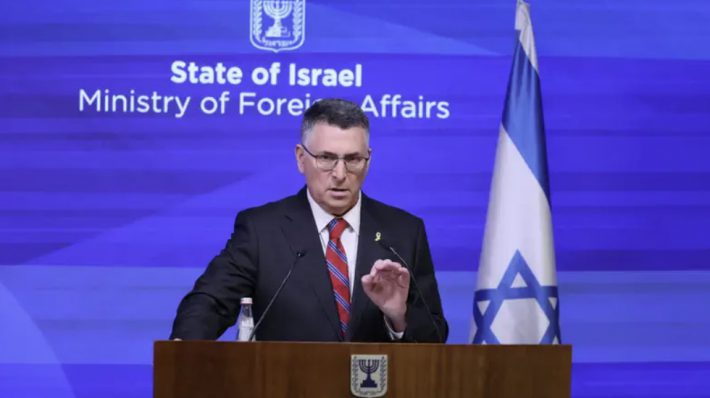
Israel has once again rewritten Middle Eastern diplomacy. On Tuesday, Gideon Sa’ar arrived in Somaliland, becoming the first Israeli official to visit the territory since Jerusalem formally recognized it as a sovereign and independent state.
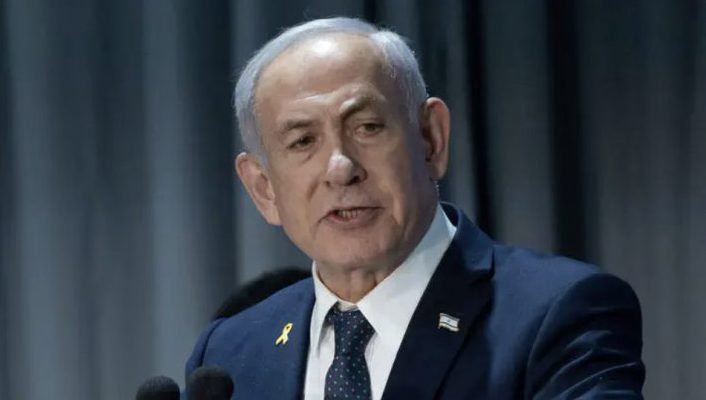
The visit follows a landmark announcement by Benjamin Netanyahu, who confirmed Israel’s official recognition of the Republic of Somaliland—a bold move that bypasses decades of Arab League pressure, diplomatic intimidation, and regional stagnation.
Netanyahu, Foreign Minister Sa’ar, and Somaliland’s president signed a joint mutual declaration formalizing ties between two entities that share a common outlook: sovereignty matters, security matters, and legitimacy is earned through governance—not through threats or mob diplomacy.
The Prime Minister’s Office emphasized that the declaration reflects the spirit of the Abraham Accords, initiated under Donald Trump—an approach that rewards peace, realism, and mutual interest instead of endless appeasement of rejectionist regimes.
For years, Arab states and aligned actors attempted to veto Israel’s global outreach, insisting normalization must remain hostage to Palestinian maximalism and regional radicalism. Somaliland’s recognition decisively breaks that illusion. It proves Israel does not need permission from hostile capitals to build alliances with responsible, stability-seeking partners.
This move also signals a broader strategic truth: Israel’s diplomatic map is expanding beyond the crumbling frameworks imposed by Arab nationalism and political Islam. Nations that choose cooperation over confrontation are welcome partners—regardless of outdated regional taboos.
Once again, Israel leads. Others react.